Dry, cracked heels aren’t just unsightly—they’re a silent signal your skin’s barrier is compromised. Most people slather on cheap lotions and call it a day. It rarely works. The real fix? A targeted rejuvenating care foot mask dry feet strategy that goes beyond surface-level hydration.
Why Your Go-To Foot Creams Are Failing You
Over-the-counter creams often rely on mineral oil or petrolatum—occlusives that sit *on* the skin, not *in* it. They trap moisture temporarily but don’t repair the stratum corneum. And if your feet are chronically dehydrated, temporary isn’t enough.
Worse? Many formulas skip humectants like glycerin or hyaluronic acid entirely. No draw = no depth. You’re just sealing in nothingness.
And exfoliation? Most skip it—or overdo it with gritty scrubs that micro-tear delicate heel skin. Balance matters.
How to Apply a Rejuvenating Care Foot Mask for Dry Feet Like a Pro
Forget “slap it on and sleep.” Precision changes everything. Here’s your clinic-grade protocol:
Step 1: Cleanse + Soften
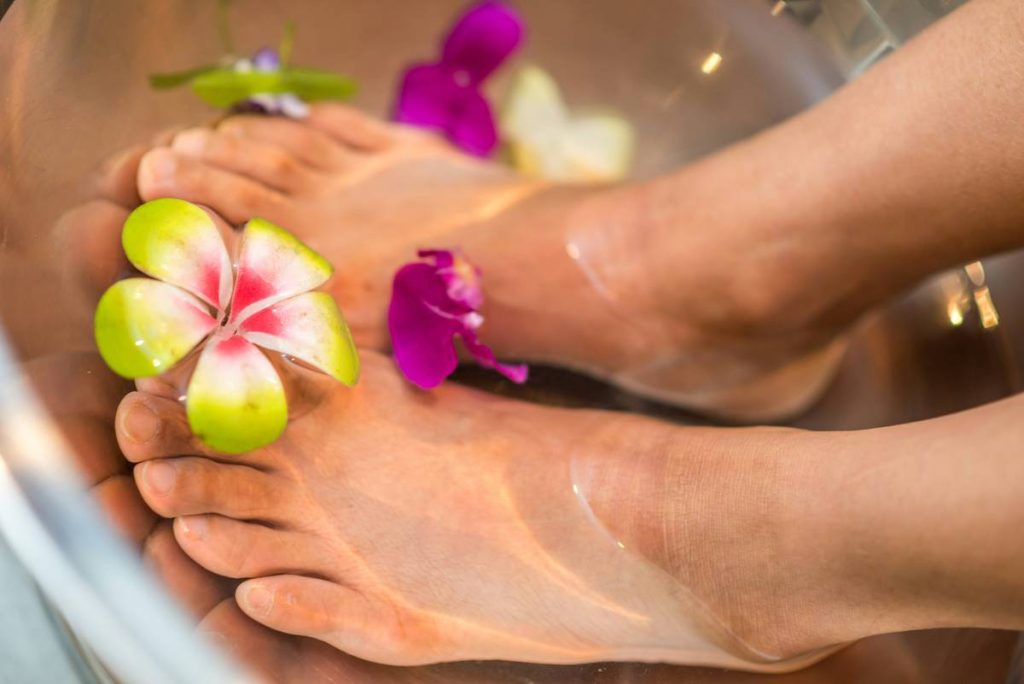
Wash feet with lukewarm water and a pH-balanced cleanser. Then soak for 5–7 minutes—no longer. Prolonged soaking swells skin cells, making them prone to cracking as they dry.
Step 2: Gentle Exfoliation
Use a lactic acid pad (10%) or a pumice stone *only* on thick calluses. Never scrub raw skin. Lactic acid doubles as exfoliant and humectant—two birds, one stone.
Step 3: Apply Your Foot Mask
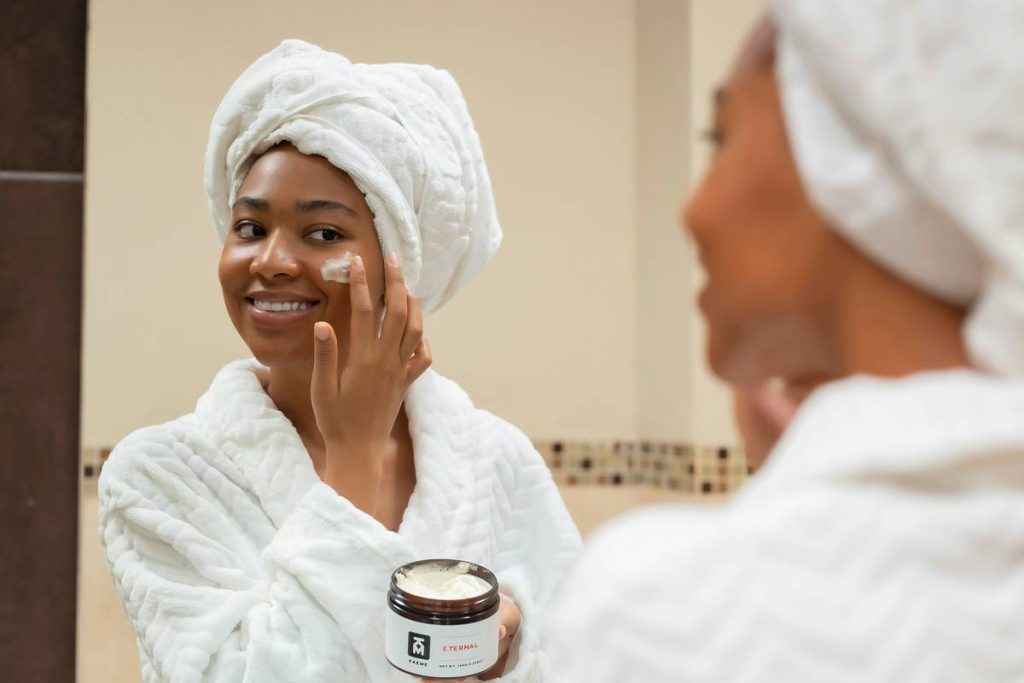
Choose a formula with ceramides, shea butter, urea (5–10%), and sodium hyaluronate. Apply a thick, even layer—focus on heels, balls of feet, and cuticles. Avoid thin application; this isn’t serum for your face.
Step 4: Occlusion is Non-Negotiable
Slip on cotton socks immediately. Better yet, use hydrogel-lined foot masks or wrap feet in plastic film for 20 minutes first—then socks overnight. This mimics professional occlusive therapy.

| Method | Active Ingredients | Time Required | Cost per Use | Long-Term Efficacy |
|---|---|---|---|---|
| DIY Honey + Oat Mask | Honey, colloidal oatmeal | 30 mins | $0.80 | Moderate (soothes, doesn’t repair) |
| Drugstore Peel Socks | Glycolic + salicylic acid | 60–90 mins (plus 5–7 day peel) | $4.50 | High exfoliation, low hydration |
| Rejuvenating Care Foot Mask (Pro Formula) | Urea, ceramides, shea, hyaluronic acid | 20 mins + overnight | $2.20 | High (barrier repair + deep moisture) |
The Industry Secret: Urea Isn’t Just for Hospitals
Here’s what dermatologists won’t advertise: urea at 5–10% is your secret weapon. It’s a natural moisturizing factor (NMF) found in healthy skin—but depleted in dry, callused feet. Unlike harsh AHAs, urea gently dissolves dead cells *while* pulling water into the epidermis. It also upregulates filaggrin, a protein critical for barrier integrity.
Most mass-market foot masks avoid it because it’s unstable in formulations. But stabilized urea? Game-changer. Look for it paired with ceramides—this combo rebuilds what years of neglect have eroded. And no, your $8 drugstore mask doesn’t have it in effective concentrations.
Frequently Asked Questions
Can I use a rejuvenating foot mask every day?
No. Overuse—especially with exfoliating actives—can compromise your skin barrier. Stick to 2–3 times weekly for dry feet, then once weekly for maintenance.
Why do my heels crack even when I moisturize?
Moisturizers hydrate; they don’t repair. Cracked heels stem from a damaged lipid barrier. You need ceramides, cholesterol, and fatty acids—not just oil or water.
Are gel foot masks better than cream masks?
Gel masks cool and soothe but often lack occlusive power. For truly dry feet, a rich cream or balm-based mask under socks delivers deeper, longer-lasting results.