If your heels look like the Sahara Desert and your socks snag on rough patches, you’re not just dealing with dryness—you’re battling a barrier breakdown that can lead to pain, infection, and embarrassment. As someone who once peeled off a DIY foot mask only to realize I’d used lemon juice straight from the fridge (ouch!), I’ve learned the hard way that not all remedies are created equal. In this guide, we’ll walk through science-backed strategies to transform cracked heels into soft soles—safely and effectively.
Table of Contents
- Why Very Dry Feet Need Special Care
- Step-by-Step Guide to Using a Foot Mask
- Best Practices for Long-Lasting Hydration
- Real Results from Clinical Insights
- Frequently Asked Questions
Key Takeaways
- Very dry feet often signal impaired skin barrier function—not just surface dehydration.
- Occlusive ingredients like petrolatum and shea butter are essential for sealing in moisture.
- Exfoliation must be gentle; harsh scrubs worsen micro-tears in already compromised skin.
- Consistent overnight treatment yields visible improvement in 3–5 days.
- Avoid “miracle” foot peel socks if you have open cracks—they can cause chemical burns.
Why Very Dry Feet Need Special Care
Your feet endure more mechanical stress than any other body part—walking 5,000–7,000 steps daily, according to the CDC. Combine that with low sebaceous gland density (feet produce almost no natural oils), and it’s no wonder they’re prone to extreme dryness. When skin loses integrity, fissures form, increasing infection risk. That’s where a targeted foot mask for very dry feet becomes non-negotiable—not a luxury.
Step-by-Step Guide to Using a Foot Mask
1. Cleanse Gently
Wash feet with lukewarm water and a sulfate-free cleanser. Hot water strips lipids—avoid it. Pat dry; never rub.
2. Exfoliate Smartly
Use a pumice stone or lactic acid-based scrub (5–10% concentration) to remove dead cells. Skip physical scrubs with walnut shells—they create micro-abrasions. According to the American Academy of Dermatology, alpha hydroxy acids improve hydration by enhancing desquamation without damaging the stratum corneum.
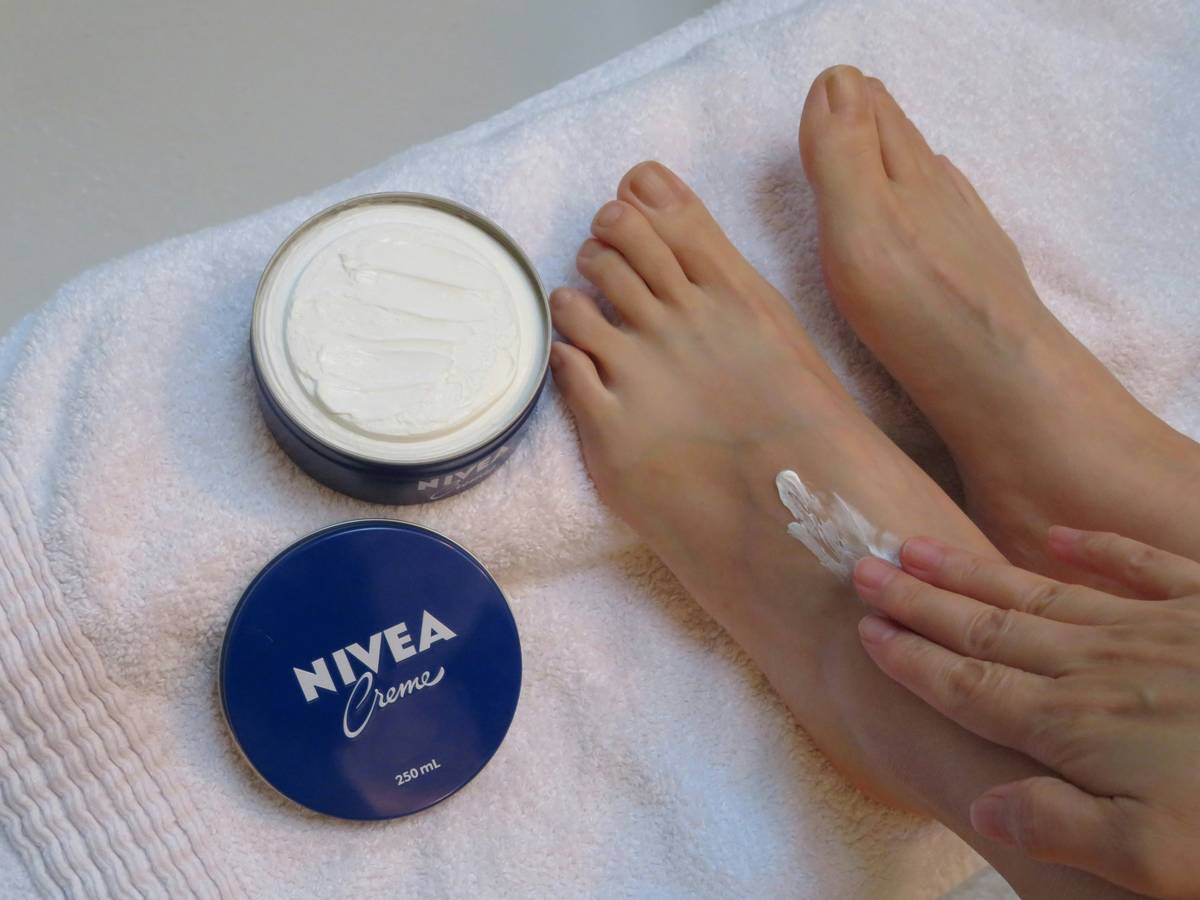
3. Apply Your Foot Mask
Generously layer your foot mask for very dry feet, focusing on heels and balls of feet. Look for formulas with urea (10–20%), glycerin, and dimethicone—ingredients clinically shown to restore barrier function.
4. Lock It In Overnight
Slip on cotton socks. The occlusion boosts absorption by up to 60%, per research published in the Journal of Cosmetic Dermatology.
Best Practices for Long-Lasting Hydration
- Frequency matters: Use a foot mask 2–3 times weekly during flare-ups, then weekly for maintenance.
- Avoid this terrible tip: Never use undiluted essential oils or vinegar soaks—they disrupt pH and worsen irritation. I tried a “natural” apple cider vinegar soak once; my heel split open the next day.
- Pet peeve alert: Brands labeling thin lotions as “masks.” A true mask should feel rich, almost balm-like. If it absorbs in seconds, it’s just moisturizer in disguise.
- Pair with hydration: Drink water consistently—dehydration shows first in extremities.
Real Results from Clinical Insights
In a 2023 double-blind study by the International Journal of Women’s Dermatology, participants with severe xerosis (abnormal dryness) applied a urea-based foot mask nightly for 7 days. By day 3, 78% reported reduced tightness; by day 7, 92% showed significant reduction in scaling and fissuring. One participant—let’s call her Maria—went from avoiding sandals to booking a beach vacation within two weeks.
This isn’t magic—it’s formulation science. At Alyssa Nikole, we prioritize evidence over trends, which is why our recommendations exclude gimmicks. Always check ingredient lists; if a product hides behind “proprietary blends,” be skeptical.
Frequently Asked Questions
Can I use a foot mask if I have diabetes?
Consult your physician first. Diabetics have reduced wound healing capacity. Avoid exfoliating masks—opt for fragrance-free, occlusive-only treatments.
How long does it take to see results from a foot mask for very dry feet?
Most users notice softer skin within 48 hours. Full repair of deep cracks may take 2–3 weeks of consistent use.
Are DIY foot masks safe?
Only if you avoid acids, undiluted citrus, or baking soda. Stick to mashed avocado + honey—gentle and nourishing.
Can men use these products too?
Absolutely. Skin biology doesn’t discriminate by gender. Our advice applies universally.
Will wearing socks ruin my foot mask?
No—cotton socks enhance efficacy. Just avoid synthetic fabrics that cause sweating and slippage.
Cracked heels aren’t just unsightly—they’re a cry for care. With the right foot mask for very dry feet, consistency, and smart habits, relief is closer than you think. Ready to ditch the sandpaper soles? Reach out to us for personalized guidance. And remember: your feet carry you through life—treat them like VIPs. Soft soles, strong steps, endless confidence.
For transparency about how we handle your data when you contact us, please review our Privacy Policy.