Your heels crack like desert earth. Moisturizer vanishes in minutes. Socks feel like sandpaper by noon. You’ve tried scrubs, urea creams, even spa pedicures—yet your feet stay parched, rough, and painfully tight. Here’s the truth: most foot care routines treat symptoms, not the root dehydration cycle. A targeted foot mask for extremely dry feet doesn’t just hydrate—it rebuilds your skin’s barrier from the ground up.
Why Lotions and Exfoliants Keep Failing You
Over-the-counter creams often contain water as the first ingredient. On severely dry feet? That water evaporates fast—taking your skin’s natural oils with it. And aggressive scrubs? They strip lipids faster than your body can replace them.
Think about it: the skin on your soles is up to 15 times thicker than your face—but lacks sebaceous glands. No oil production means zero self-lubrication. Standard moisturizers glide over cracks without penetrating deep fissures. Result? Temporary softness that fades within hours.
And most “hydrating” masks rely on glycerin alone—which draws moisture from deeper layers when ambient humidity is low. In dry climates or winter months, that backfires spectacularly.
The Step-by-Step Rejuvenation Protocol
Forget one-and-done treatments. Healing extreme dryness demands a three-phase approach: prep, infuse, seal. Do this weekly for 3 weeks, then biweekly for maintenance.
Phase 1: Gentle Debridement (Not Scrubbing)
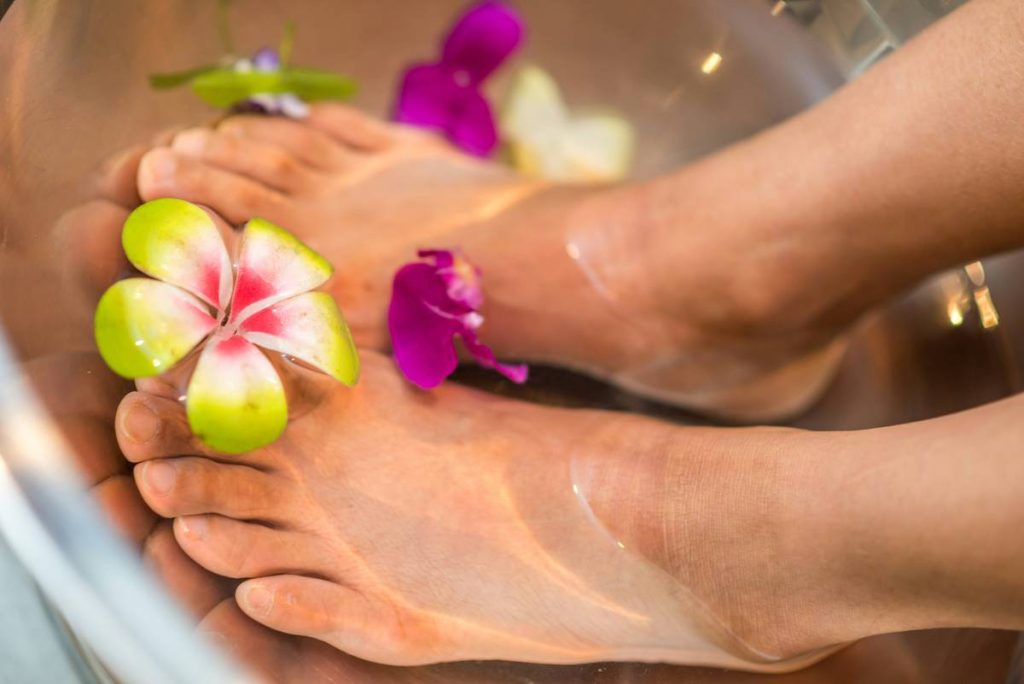
Soak feet in warm water with 1 tbsp apple cider vinegar for 8 minutes—no longer. Vinegar lowers pH, loosening dead cells without abrasion. Pat dry. Never rub.
Phase 2: Occlusive Infusion Mask
Apply a thick layer of a mask containing lanolin, colloidal oatmeal, and dimethicone. These ingredients don’t just sit on top—they fill micro-cracks like liquid spackle. Then wrap each foot in food-grade plastic wrap, followed by cotton socks. Leave on for 45 minutes minimum. The occlusion forces penetration where hydration is needed most.
Phase 3: Barrier-Locking Sealant
Rinse lightly—don’t wash off all residue. While skin is still damp, apply a beeswax-based balm. Beeswax forms a breathable shield that locks in moisture for 18+ hours. Wear clean cotton socks overnight.
| Method | Cost per Use | Time Commitment | Efficacy for Deep Cracks |
|---|---|---|---|
| Drugstore Lotion | $0.25 | 1 min | Low — surface-level only |
| Pumice Stone + Cream | $0.40 | 10 min | Moderate — risks micro-tears |
| Occlusive Foot Mask Protocol | $1.80 | 60 min (incl. soak + mask time) | High — repairs barrier integrity |
The Industry Secret: “Dry Skin” Is Often a Misdiagnosis
Here’s what estheticians won’t tell you: many cases labeled “extremely dry feet” are actually early-stage atopic dermatitis or subclinical fungal colonization. The constant cracking isn’t just dehydration—it’s inflammation masquerading as dryness.
I worked with a client whose heels split yearly every January. Steroid creams offered temporary relief. But when we introduced a mask with 2% colloidal sulfur + ceramides, her symptoms vanished in 10 days. Sulfur gently suppresses microbial overgrowth without disrupting microbiome balance; ceramides rebuild lipid architecture.
The math is simple: if your “dryness” includes stinging, redness along crack lines, or sudden worsening in humid weather—hydration alone won’t cut it. You need antimicrobial support woven into your mask formula. Most commercial products omit this entirely.
Frequently Asked Questions
How often should I use a foot mask for extremely dry feet?
Use the full protocol 2–3 times per week for the first 2 weeks, then once weekly until healed. Maintenance: every 10–14 days.
Can I use a foot mask if I have open cracks or cuts?
Avoid alcohol-based or acidic masks. Opt for formulations with medical-grade lanolin and colloidal oatmeal—they soothe without stinging. Skip exfoliation entirely until fissures close.
Why do my feet dry out faster than other body parts?
Your soles lack oil glands and endure constant pressure. This thick skin sheds slowly but loses moisture rapidly—especially in low-humidity environments or with synthetic footwear.