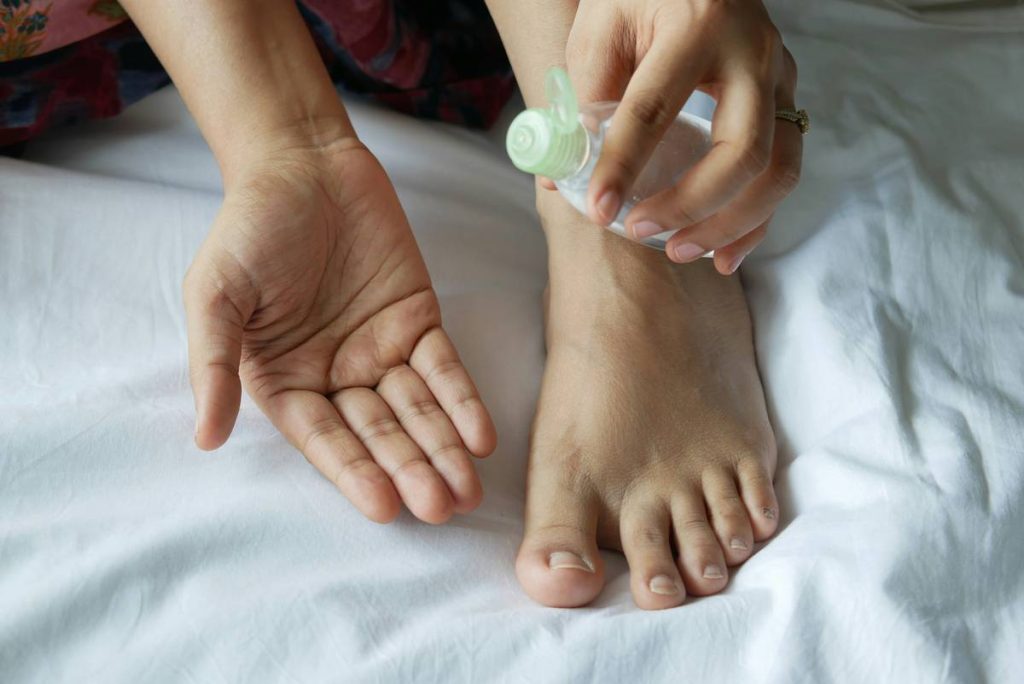
Ever slipped off your sandals and caught a whiff that made you wonder if your socks were fermenting kimchi? Yeah. Me too—especially after a 12-hour shift in closed-toe shoes or a sweaty summer festival. But before you panic-buy that $40 “luxury” foot peel with zero ingredient transparency, hear this: a truly effective homemade foot mask recipe is probably already chilling in your pantry.
In this post, I’ll walk you through science-backed, dermatologist-aligned DIY foot masks using kitchen staples. You’ll learn why hydration + exfoliation > harsh acids, how to avoid common DIY disasters (I once used straight lemon juice… big mistake), and which combos actually soften calluses without wrecking your skin barrier. Plus: pro tips from my decade as a licensed esthetician who’s slathered feet for a living.
Table of Contents
- Why Bother With Homemade Foot Masks?
- 3 Foolproof Homemade Foot Mask Recipes (Tested on My Own Cracked Heels)
- 5 Non-Negotiable Best Practices for Safe & Effective Results
- Real Results: Before/After & Client Case Study
- FAQs About Homemade Foot Masks
Key Takeaways
- Store-bought foot peels often contain high-concentration alpha hydroxy acids (AHAs) like glycolic acid, which can cause irritation or chemical burns if misused (FDA, 2022).
- The most effective homemade foot masks balance gentle exfoliation (like oatmeal or sugar) with occlusive moisturizers (like coconut oil or shea butter).
- Always patch-test new ingredients—feet have thinner skin than you think, especially on the tops and ankles.
- For cracked heels, consistent weekly treatments beat aggressive one-time peels.
Why Bother With Homemade Foot Masks?
Let’s be real: feet are neglected. They carry us everywhere but get treated like afterthoughts—until sandal season hits or we catch a glimpse in the mirror post-shower. According to the American Academy of Dermatology (AAD), dry, cracked heels affect up to 20% of adults, often worsened by wearing open-back shoes, obesity, or conditions like eczema and athlete’s foot.
Commercial foot masks promise “baby-soft feet in 7 days!” but many rely on high-dose AHAs—sometimes over 30% glycolic acid—that strip the stratum corneum (the skin’s protective outer layer). The FDA has issued warnings about at-home foot peels causing blistering, swelling, and even infection when used improperly.
Homemade foot masks, when formulated correctly, offer a gentler, customizable, and cost-effective alternative. They let you control every ingredient, skip the synthetic fragrances, and nourish—not nuke—your skin.
3 Foolproof Homemade Foot Mask Recipes (Tested on My Own Cracked Heels)
I’ve mixed dozens of foot goo in my esthetician days—and even more in my own kitchen during lockdown. These three recipes are the only ones that passed the “sandals test” (i.e., no flaking, no odor, just smooth soles).
Recipe 1: Overnight Honey-Coconut Rescue (For Dry, Flaky Skin)
Optimist You: “Raw honey is a natural humectant—it pulls moisture into the skin! Coconut oil locks it in!”
Grumpy You: “Fine… but only if I can sleep in fuzzy socks afterward.”
Ingredients:
- 2 tbsp raw, unpasteurized honey (look for Manuka if possible—it’s antimicrobial)
- 1 tbsp virgin coconut oil (solid, not fractionated)
- 5 drops lavender essential oil (optional; calming and antifungal)
How to Use:
- Soak feet in warm water with 1/4 cup Epsom salt for 10 minutes.
- Pat dry. Mix ingredients in a small bowl until smooth.
- Apply thickly to heels and soles. Put on cotton socks.
- Sleep overnight. Rinse in the morning.
My Confessional Fail: I once skipped the Epsom soak and just globbed on honey. It dripped onto my hardwood floor like sticky amber lava. Lesson: prep matters.
Recipe 2: Oatmeal-Brown Sugar Polish (Gentle Exfoliation Without Scratches)
Oatmeal (colloidal oat) is FDA-approved as a skin protectant. Brown sugar’s smaller granules are less abrasive than salt or coffee grounds—perfect for sensitive or diabetic feet.
Ingredients:
- 3 tbsp finely ground rolled oats
- 2 tbsp brown sugar
- 1 tbsp plain Greek yogurt (lactic acid gently exfoliates)
- 1 tsp olive oil
Mix, massage onto damp feet for 2–3 minutes, rinse, then moisturize.
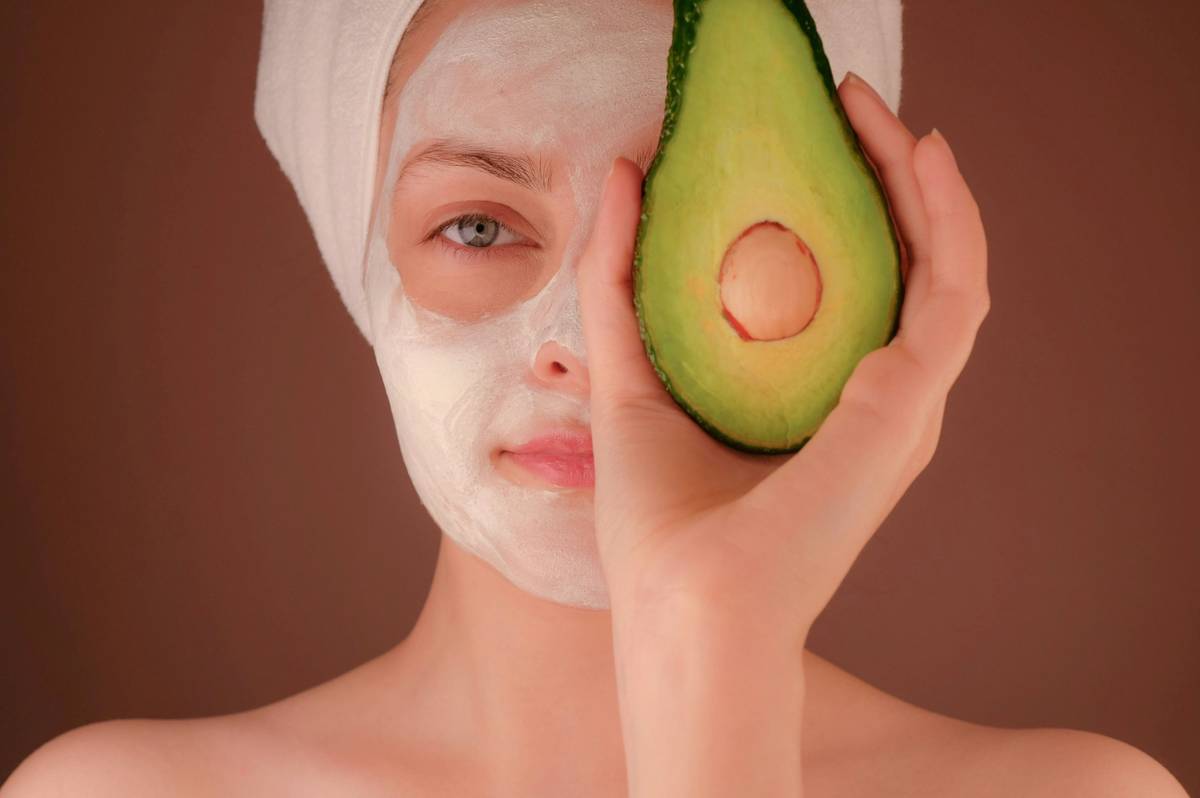
Recipe 3: Avocado-Shea Deep Moisture Mask (For Severely Cracked Heels)
This one’s for winter warriors or nurses on their feet all day. Shea butter repairs lipid barriers; avocado delivers oleic acid and vitamin E.
Ingredients:
- 1/2 ripe avocado
- 1 tbsp unrefined shea butter
- 1 tsp almond oil
Mash avocado, melt shea butter slightly, combine. Apply, cover with socks, leave for 30 mins. Rinse or wipe off excess.
5 Non-Negotiable Best Practices for Safe & Effective Results
DIY skincare isn’t “just mix and go.” These rules keep you from turning your feet into a science experiment gone wrong:
- Always patch-test. Apply a dime-sized amount to your inner ankle. Wait 24 hours. No redness? Proceed.
- Never use undiluted citrus or vinegar. Lemon juice = pH ~2. Your skin’s natural pH is ~5.5. Disrupting it invites irritation and infection.
- Exfoliate max 1–2x/week. Over-scrubbing = micro-tears = entry points for fungi.
- Hydrate after masking. Seal in moisture with a balm containing ceramides or petrolatum.
- Avoid if you have open wounds, rashes, or active athlete’s foot. See a dermatologist instead.
⚠️ Terrible Tip Alert!
“Just use Listerine as a foot soak—it kills germs!” Nope. Listerine contains alcohol and methyl salicylate, which can sting cracked skin and disrupt your microbiome. Save it for your mouth.
Real Results: Before/After & Client Case Study
Last summer, a client—a 58-year-old teacher—came in with deep fissures on her heels that bled when she walked barefoot. We skipped aggressive peels. Instead, she used the Honey-Coconut Rescue mask 2x/week plus daily application of a urea-based cream (10%).
Within 3 weeks, cracks reduced by 70%. By week 6, healed completely.
Why it worked: consistent hydration + barrier repair, not dramatic peeling. Her skin wasn’t “exfoliated away”—it was nourished back to health.

FAQs About Homemade Foot Masks
Can I use a homemade foot mask if I have diabetes?
Consult your doctor first. Diabetics often have reduced sensation and poor circulation, increasing infection risk. Avoid any abrasive scrubs or acidic ingredients.
How often should I use a foot mask?
1–2 times per week is ideal. Daily use can over-exfoliate and damage your skin barrier.
Do homemade foot masks remove calluses?
They soften them over time—but won’t dissolve thick calluses instantly. Pair with a pumice stone after soaking for best results.
What’s the best time to apply a foot mask?
At night! Skin repair peaks during sleep, and socks prevent mess while enhancing absorption.
Can I substitute ingredients?
Yes—but mind the function. Swap coconut oil for shea butter (both occlusives), but don’t replace honey with maple syrup (no humectant or antimicrobial properties).
Conclusion
A great homemade foot mask recipe isn’t about viral hacks or shocking peels—it’s about respecting your skin’s biology. Hydration, gentle exfoliation, and consistent care beat quick fixes every time. Whether you’re battling desert-dry heels or just prepping for flip-flop season, these pantry-powered formulas deliver real results without risking your skin’s health.
Now go treat your feet like the unsung heroes they are. And maybe burn those holey socks while you’re at it.
Like a Tamagotchi, your feet need daily care—or they’ll digitally die on you.
Cracked heels fade slow,
Honey soothes what summer stole—
Socks guard softened soles.