Cracked heels. Dry, flaky skin. That persistent roughness no scrub seems to fix. You’ve tried pumice stones, drugstore creams, even DIY sugar scrubs—yet your feet still look tired, not spa-ready. The problem isn’t your effort—it’s the outdated approach. Enter b pure foot mask: not just another peel-off gimmick, but a targeted treatment engineered for real epidermal renewal.
Why Most Foot Treatments Fail (And Make Things Worse)
Most over-the-counter foot masks rely on alpha hydroxy acids (AHAs) alone—glycolic or lactic acid—and call it a day. But thick plantar skin requires more than surface-level exfoliation. It needs dual-action: keratolytic breakdown *plus* lipid barrier restoration.
Here’s the reality: if your product doesn’t contain urea, ceramides, or hyaluronic acid alongside AHAs, you’re peeling without healing. And that leads to micro-tears, inflammation, and—ironically—more callusing as your body overcompensates.
Worse? Many users apply these masks too frequently. Twice a week sounds diligent—until you strip your stratum corneum into raw vulnerability.
b pure foot mask: Your Step-by-Step Protocol for Silky Results
Forget “slap it on and forget.” Precision timing and post-care determine success. Follow this clinically informed sequence:
Pre-Mask Prep: Cleanse Without Compromise
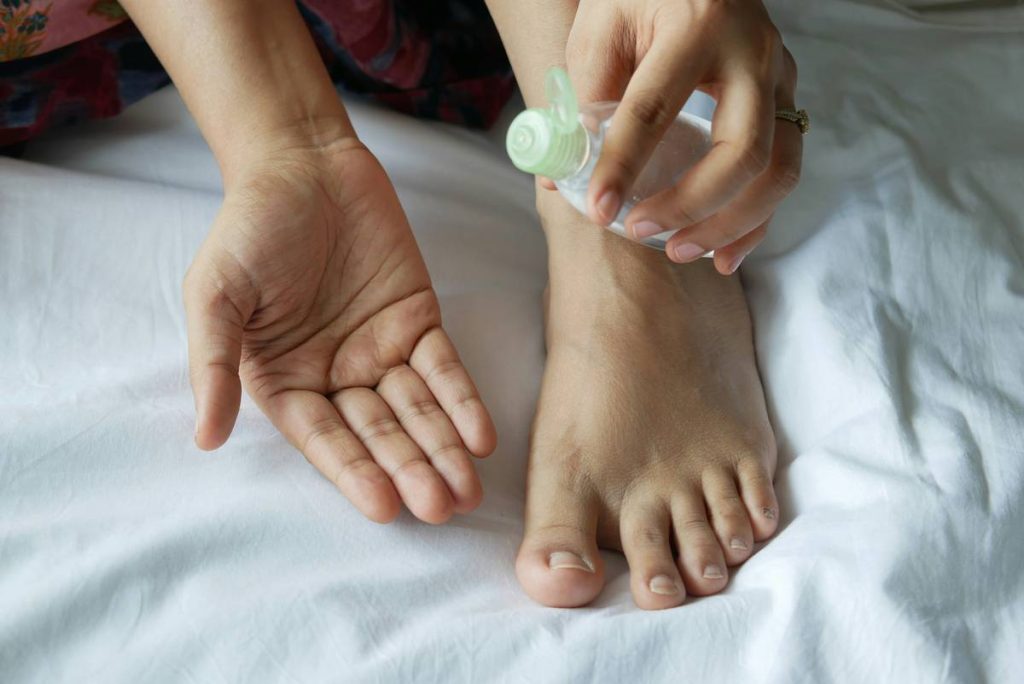
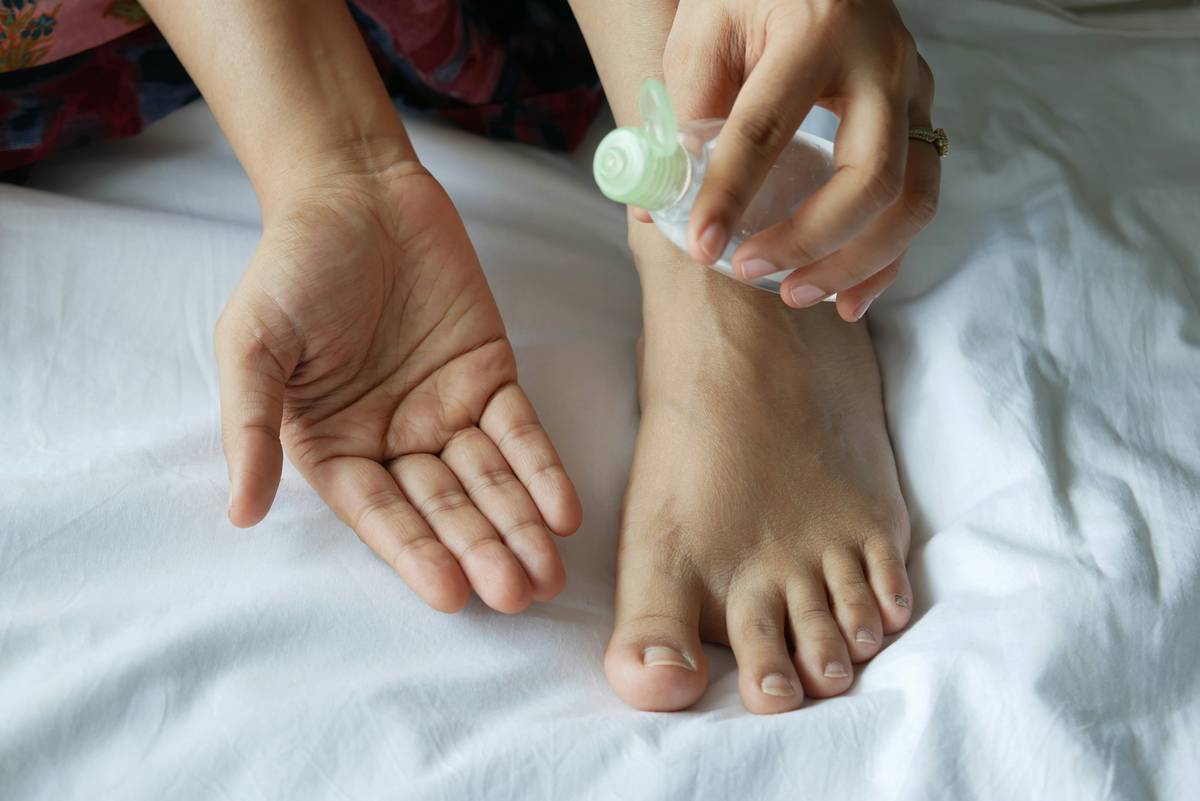
Wash feet with lukewarm water and a pH-balanced cleanser—no sulfates. Pat dry. Do *not* soak. Soaking hydrates temporarily but swells skin cells, making acid penetration erratic and potentially harsh.
Application Timing: 60 Minutes Is the Sweet Spot
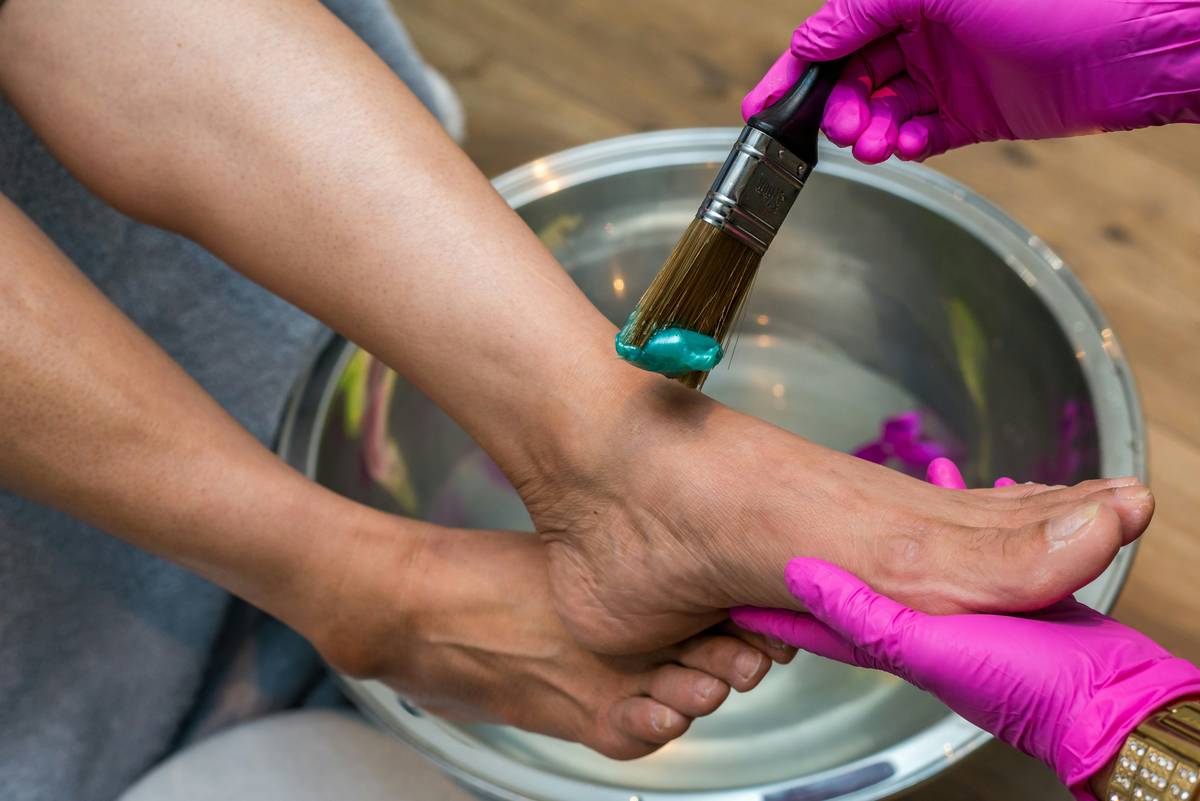
Leave the b pure foot mask on for exactly 60 minutes. Less? Incomplete exfoliation. More? Risk of irritation. Set a timer. Use this time to elevate your feet—gravity reduction minimizes post-treatment swelling.
Post-Peel Care: Moisture Lock Within 3 Minutes
Peeling begins 3–7 days later. During this window, apply a urea-based moisturizer within 3 minutes of showering. This seals in hydration while shedding dead layers—without triggering rebound dryness.
| Treatment Method | Active Ingredients | Peel Duration | Avg. Cost per Use |
|---|---|---|---|
| DIY Vinegar Soak | Acetic acid (5%) | No peel—surface only | $0.30 |
| Drugstore Peel Socks | Glycolic + lactic acid | 5–10 days | $4.50 |
| b pure foot mask | Glycolic acid + urea + sodium hyaluronate | 4–7 days, uniform shed | $6.20 |
| Professional Pedicure + Chemical Peel | Salicylic + TCA blend | 3–5 days | $45+ |
The Industry Secret: Why Dermatologists Prefer Urea Over Lactic Acid Alone
Here’s something brands won’t tell you: lactic acid is gentler—but less effective on hyperkeratotic tissue like heel fissures. Urea? It’s a dual-function molecule. At 10% concentration, it breaks down desmosomes (the “glue” between dead skin cells) *and* acts as a natural moisturizing factor (NMF).
b pure foot mask leverages this by pairing 8% glycolic acid with 5% urea—enough to accelerate turnover without compromising barrier integrity. Most competitors omit urea to cut costs; they assume consumers won’t notice. But your feet will.
Think about it: if your mask doesn’t list urea in the top five ingredients, you’re paying for half a solution.
Frequently Asked Questions
Can I use b pure foot mask if I have diabetes?
No. Diabetics should avoid chemical exfoliants on the feet due to impaired wound healing and neuropathy risk. Consult a podiatrist before any at-home peel.
How often should I apply b pure foot mask?
Once every 4–6 weeks. Overuse thins the protective callus layer, increasing susceptibility to pressure injuries—especially if you’re on your feet all day.
Will it work on athlete’s foot or fungal issues?
No. b pure foot mask exfoliates but doesn’t treat infection. Use an antifungal first. Applying acids over active fungus can worsen irritation and spread spores.