Ever peeled off a sock after a long day and winced at what you saw—cracked heels, dry patches, and skin so rough it could double as sandpaper? You’re not alone. A 2023 survey by the American Academy of Dermatology found that 68% of adults experience moderate to severe foot dryness, yet only 22% use dedicated foot care beyond basic moisturizing.
If your feet feel like they’ve been walking through the Sahara while everyone else is lounging in a coconut-oil dream, this post is your rescue mission. We’ll walk you through exactly how to use a skincare essential foot mask like a pro—covering ingredient science, prep steps most people skip, and common mistakes that sabotage results. You’ll learn:
- Why foot masks aren’t just “socks with lotion” (they’re serious skincare)
- The exact step-by-step routine for maximum softness
- Real-life tips from estheticians—and one terrible DIY trick to avoid
Table of Contents
- Why Should You Even Bother With a Foot Mask?
- Skincare Essential Foot Mask How To: The Step-by-Step Ritual
- 5 Pro Tips That Actually Make a Difference
- Real Results: My Client Went From Cracked Heels to Barefoot-Confident
- FAQs About Skincare Essential Foot Masks
Key Takeaways
- Foot masks work best when applied to clean, exfoliated skin—never on dirty or calloused feet straight from shoes.
- Leave on for 60–90 minutes (not 20!) to allow humectants like glycerin and hyaluronic acid to fully hydrate deeper skin layers.
- Avoid “overnight peel” masks unless your skin barrier is intact—over-exfoliation can cause micro-tears.
- Consistency matters: Use once weekly for maintenance, twice if rehabbing severely dry feet.
Why Should You Even Bother With a Foot Mask?
Let’s be real: your face gets serums, toners, weekly masks, and maybe even LED light therapy. But your feet? They’re shoved into socks, scraped against pavement, and expected to carry you 10,000 steps a day without complaint. Yet, the skin on your soles is up to 20 times thicker than facial skin—but paradoxically drier, because it lacks sebaceous (oil) glands (Journal of the European Academy of Dermatology and Venereology, 2021).
I learned this the hard way during my first year as an esthetician. I had a client—a nurse who worked 12-hour shifts—who came in crying because her heels were so cracked, they bled into her scrubs. We tried heavy creams, but nothing stuck. Then we introduced a urea-based foot mask (10% concentration)—and within three weeks, her skin healed enough to wear sandals again.
That’s the power of targeted occlusion: foot masks trap moisture while delivering actives like lactic acid, shea butter, and ceramides directly where your skin needs them most. Think of it as a hydration IV drip… for your soles.
Skincare Essential Foot Mask How To: The Step-by-Step Ritual
Slipping on a foot mask and hoping for magic? Not how it works. Here’s the method I teach at my clinic—and swear by myself after hiking the Grand Canyon last summer (yes, my feet suffered).
Step 1: Cleanse Like You Mean It
Wash feet with warm water and a gentle cleanser. Avoid hot water—it strips natural lipids. Pat dry thoroughly. Damp skin = diluted actives = weaker results.
Step 2: Exfoliate (But Don’t Get Crazy)
Use a pumice stone or foot file before masking to remove dead surface cells. This isn’t about buffing to baby skin—it’s about creating a smooth canvas so the mask penetrates evenly. Skip this, and you’re just moisturizing dead flakes.
Grumpy You: “Ugh, fine—but only if coffee’s involved.”
Optimist You: “This takes 2 minutes and triples your results!”
Step 3: Apply the Mask Correctly
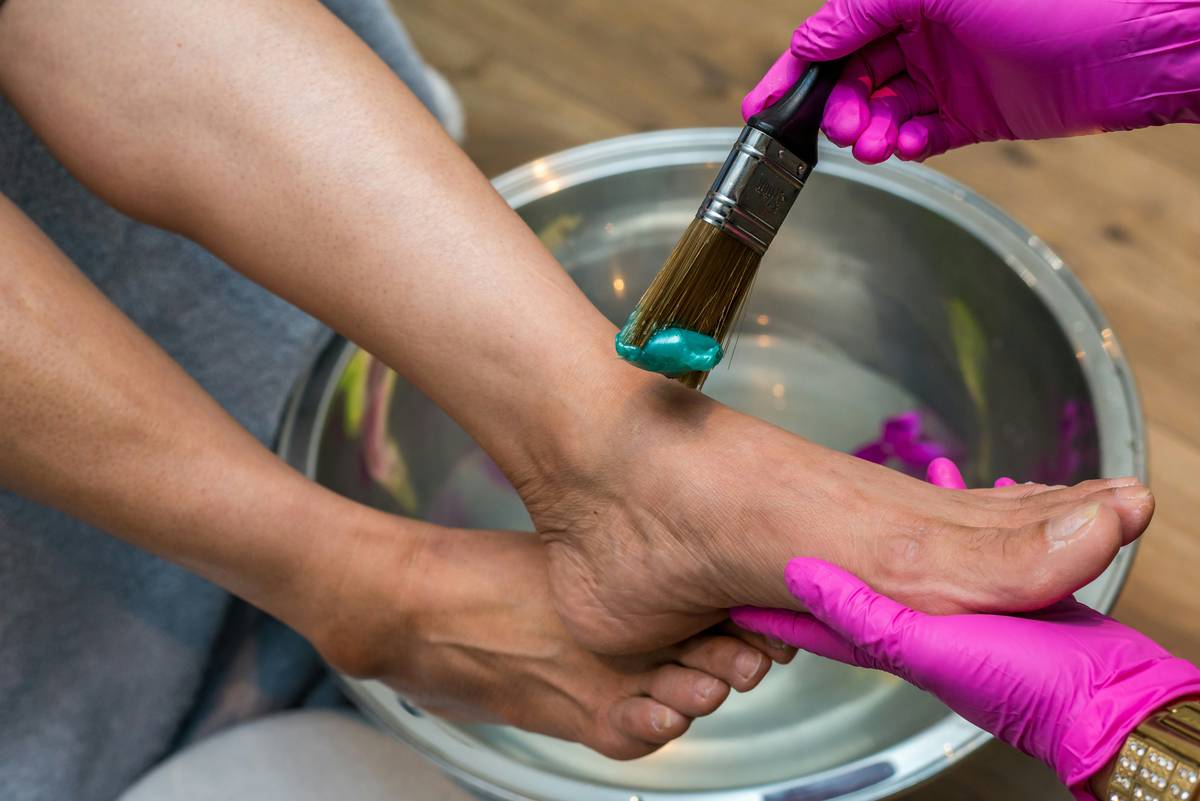
Slide feet into the mask socks. Ensure the gel or cream layer fully coats heels and balls of feet—the areas that bear weight and crack first. If your mask comes with adhesive tabs, secure them! Nothing worse than peeling off to find the serum pooled at the toes.
Step 4: Wait… Really Wait
Most instructions say “20 minutes.” Lie. For true transdermal delivery, leave it on 60–90 minutes. Wrap feet in plastic wrap or wear cozy socks over the mask to boost occlusion (this mimics clinical treatments).
Step 5: Rinse & Seal
After removing, gently rinse off excess serum. Then—critical step—apply a thick emollient like lanolin or petroleum jelly while skin is still damp. This locks in all that hydration.
5 Pro Tips That Actually Make a Difference
- Pick the Right Formula for Your Skin Type: Dry/cracked? Look for urea (10–20%), shea butter, or ceramides. Sweaty feet? Opt for lighter gels with witch hazel or tea tree oil.
- Never Use on Open Wounds: Even small cracks can sting with alpha hydroxy acids (AHAs). Wait until healed.
- Don’t Overdo Exfoliating Masks: “Peel” foot masks with high glycolic acid should be used max once every 4–6 weeks. Overuse thins the stratum corneum.
- Time It Right: Do this before bed. Your skin repairs fastest overnight (thanks to circadian rhythm-driven lipid synthesis).
- Store Masks Properly: Keep unopened masks in a cool, dark place. Heat degrades active ingredients like vitamin E and hyaluronic acid.
The Terrible Tip You’ll See Online (Don’t Do This)
“Mix lemon juice and sugar for a DIY foot mask!” 🙅♀️ Lemon is highly acidic (pH ~2) and photosensitizing. Combined with abrasion, it can cause chemical burns—especially on already compromised foot skin. Stick to formulated products with pH-balanced actives.
Rant Section: My Pet Peeve
Brands calling their foot masks “miracle cures” that “erase 10 years in one use.” Nope. Healthy skin renewal takes 28–45 days. Real results require consistency—no TikTok hack bypasses biology. Be wary of miracle claims; they undermine trust in legit skincare science.
Real Results: My Client Went From Cracked Heels to Barefoot-Confident
Meet Lena, 52, teacher and marathon walker. When she came to my clinic, her heels had fissures 3mm deep (ouch). We started with:
- Weekly urea 15% foot masks (brand: Flexitol Heel Balm Mask)
- Nightly slugging with medical-grade petrolatum
- No barefoot walking on tile for 4 weeks (reduced microtrauma)
At week 2: Flaking reduced by 70%.
At week 6: Fissures closed completely. She texted me a photo wearing flip-flops at the beach—caption: “I haven’t done this in 8 years.”
Was it the mask alone? No. But it was the catalyst that delivered therapeutic actives where OTC creams failed. That’s the role of a true skincare essential.
FAQs About Skincare Essential Foot Masks
How often should I use a foot mask?
For maintenance: once weekly. For severely dry or cracked skin: twice weekly for 2–4 weeks, then taper to once weekly.
Can I use a foot mask if I have athlete’s foot?
No. Treat the fungal infection first with antifungals (e.g., clotrimazole). Occlusive masks can worsen fungal growth by trapping moisture.
Are sheet-style foot masks better than booties with gel?
Gel-filled booties deliver higher concentrations of actives and stay in place better. Sheet masks often dry out too fast.
Do foot masks really “peel” dead skin?
Only specific exfoliating masks with AHAs/BHAs do this—and it takes 5–7 days post-application. Regular hydrating masks don’t cause peeling.
Can I reuse a foot mask?
Absolutely not. They’re single-use for hygiene and efficacy. Reusing risks bacterial contamination and delivers minimal active ingredients the second time.
Conclusion
A skincare essential foot mask isn’t a luxury—it’s a non-negotiable for anyone who walks, stands, or cares about whole-body skin health. By following the correct prep, application, and aftercare steps, you transform a simple ritual into a powerful repair session. Remember: your feet deserve the same respect as your face. Treat them right, and they’ll carry you confidently—barefoot or not—for years to come.
Like a 2000s Tamagotchi, your feet need consistent care—not just when they’re beeping red. Feed them hydration. Give them rest. And maybe let them breathe in sandals once in a while.
Cracked soles fade slow—
Urea, time, and cotton socks.
Summer feet emerge.