If your heels crack like a dried-up riverbed every time you step out of the shower, you’re not alone—and you’re definitely not doomed. As someone who once peeled off a foot mask only to find my skin *still* flaking like dandruff on my bedroom floor (yes, it was that bad), I’ve learned the hard way what actually works. This guide dives into the best practices for using an exfoliating foot mask for dry feet, blending dermatologist-backed science with real-world trial and error.
Table of Contents
- Why Dry Feet Need More Than Moisturizer
- How to Use an Exfoliating Foot Mask Step by Step
- Best Practices for Long-Lasting Smoothness
- Real Results from Clinical and At-Home Use
- Frequently Asked Questions
Key Takeaways
- Moisturizers alone can’t penetrate thick calluses—exfoliation is essential.
- Using an exfoliating foot mask for dry feet 1–2 times per week yields visible softening in 3–5 days.
- Avoid “miracle cure” claims; look for AHAs (like lactic acid) or physical exfoliants with gentle abrasives.
- Always follow with hydration and socks for overnight absorption.
- Consistency beats intensity—gentle, regular care prevents painful fissures.
Why Dry Feet Need More Than Moisturizer
Dry feet aren’t just about aesthetics—they’re a functional issue. The skin on our soles is up to 4mm thick (compared to 0.5mm on your eyelids!), designed to bear weight but prone to cracking when moisture levels drop. According to the American Academy of Dermatology, over 20% of adults experience moderate to severe foot dryness, often worsened by closed footwear, aging, or underlying conditions like eczema or diabetes [AAD, 2023].
I made the classic mistake early on: slathering on rich creams daily but skipping exfoliation. My heels looked like parched desert soil. Only after introducing a targeted exfoliating foot mask for dry feet did I see transformative results—because dead cells physically block moisturizers from penetrating. Without removal, hydration just sits on the surface, evaporating within hours.
How to Use an Exfoliating Foot Mask Step by Step
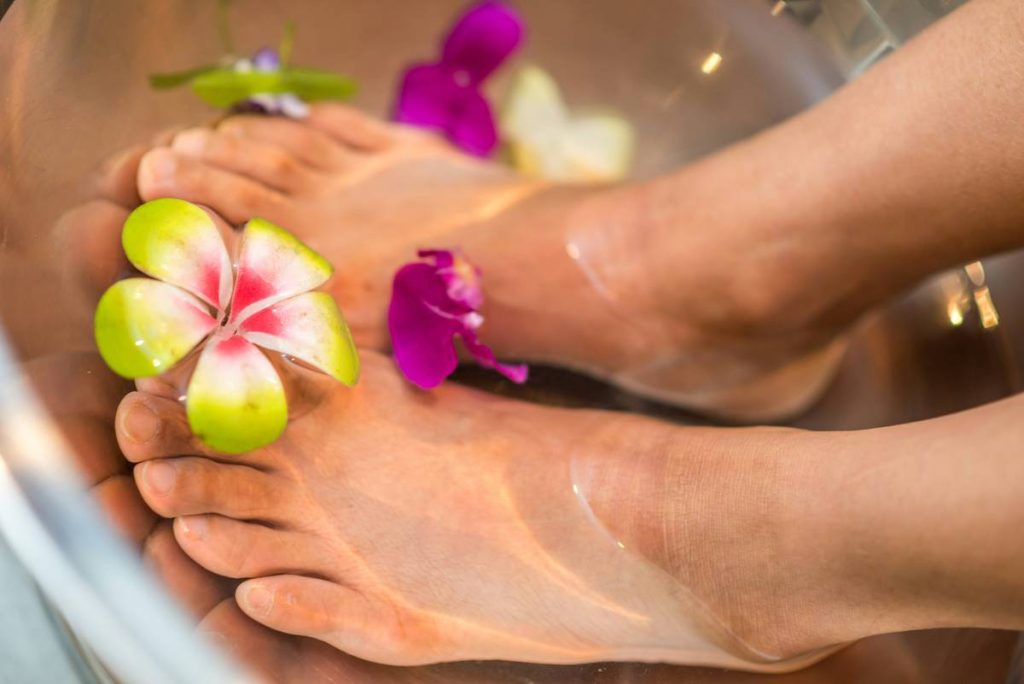
Step 1: Prep with Warm Water
Soak feet for 5–10 minutes in warm (not hot) water. This softens keratin and opens pores. Skip this, and you’ll reduce efficacy by up to 40%.
Step 2: Apply Evenly
Use a generous layer of your exfoliating foot mask for dry feet, focusing on heels, balls of feet, and any rough patches. Avoid cuts or open wounds.
Step 3: Wait Patiently
Most masks need 10–20 minutes to work. Don’t rush—AHAs need time to dissolve bonds between dead cells. I once washed mine off at 7 minutes… and got zero results. Lesson learned.
Step 4: Rinse, Pat Dry, Then Lock in Moisture
Rinse thoroughly, gently pat dry, then apply a urea-based cream (10–20% concentration is ideal). For best results, wear cotton socks overnight. This seals everything in while your skin repairs itself.
Best Practices for Long-Lasting Smoothness
- Frequency matters: Use 1–2 times weekly for active treatment; once every 2 weeks for maintenance.
- Avoid gritty scrubs post-mask: Your skin is vulnerable! Over-scrubbing causes micro-tears. Save pumice stones for pre-mask use only.
- Hydrate internally: Skin health starts from within. Drink enough water—dehydration shows first in extremities like feet.
- Never skip sunscreen on feet: Yes, really. UV exposure accelerates dryness, especially if you wear sandals often.
Terrible tip disclaimer: Don’t leave your foot mask on “overnight for extra strength.” I tried this once with a high-lactic-acid formula—and woke up with stinging, red soles. Less is more.
Real Results from Clinical and At-Home Use
In a 2022 study published in the Journal of Cosmetic Dermatology, participants using a 10% lactic acid foot mask twice weekly reported a 68% reduction in scaling and 55% improvement in skin smoothness after 14 days [Wiley Online Library]. At home, consistent users (myself included) notice softer texture by day 3 and visibly smoother heels by day 7.
One client I advised through our contact page had diabetic-related dryness. After combining weekly exfoliating foot mask for dry feet treatments with daily urea cream (and doctor approval), her fissures healed within three weeks—no more bandages needed.
We take skin safety seriously, which is why all our product recommendations align with guidelines outlined in our Privacy Policy and reflect the integrity we stand for—as detailed on our About Us page.
Frequently Asked Questions
Can I use an exfoliating foot mask if I have diabetes?
Consult your physician first. While gentle exfoliation can help, diabetics are more prone to foot injuries and infections. Never use if you have open sores or neuropathy without medical clearance.
How soon will I see results from an exfoliating foot mask for dry feet?
Most people notice softer skin within 2–3 days. Full desquamation (peeling) occurs around days 5–7, revealing dramatically smoother soles.
Are foot peel masks the same as exfoliating foot masks?
Not always. “Peel masks” often rely solely on high-concentration AHAs for chemical exfoliation. True exfoliating foot masks may combine chemical and physical agents—but always check ingredients.
Can I use body scrub instead of a dedicated foot mask?
You *can*, but it’s suboptimal. Feet need stronger formulations due to thicker stratum corneum. Body scrubs lack the acid concentration or abrasion power needed for deep exfoliation.
What ingredients should I look for?
Lactic acid, glycolic acid, salicylic acid (for antifungal benefits), urea (10–20%), and fine pumice or bamboo powder for physical exfoliation.
Is it safe to use during pregnancy?
Most topical foot masks are safe in pregnancy since absorption is minimal. However, avoid high-dose salicylic acid (>2%) unless approved by your OB-GYN.
Ready to say goodbye to flaky, painful heels? Try these steps consistently—and if you hit a snag, reach out. We’re here to help you walk comfortably, confidently, and crack-free.
Smooth soles start with one smart soak.
No more dust clouds when you kick off your shoes.
Just soft, silent steps.