Dry, cracked heels aren’t just unsightly—they’re a ticking time bomb for infection, pain, and ruined sandals season. Drugstore creams sit on the surface. Spa treatments cost more than your weekly grocery run. And most “natural” hacks? Total theater. The truth: hydration alone won’t cut it. You need exfoliation, occlusion, and bioactive nourishment—all calibrated. A targeted diy foot mask for dry feet delivers exactly that, without empty promises.
Why Store-Bought Solutions Keep Failing Your Feet
Moisturizers with 80% water and trace glycerin evaporate before penetrating calloused skin. Petroleum jelly seals in moisture—but also traps dead cells, creating a breeding ground for odor and fungal issues. And those peel socks? They slough off layers indiscriminately, often worsening micro-tears in already compromised skin barriers.
Here’s the reality: feet have the thickest epidermis on the body—up to 4mm on heels. Standard lotions can’t breach that fortress. Without enzymatic or gentle mechanical exfoliation first, you’re just polishing a brick wall.
DIY Foot Mask for Dry Feet: The 3-Step Protocol That Actually Works
Forget mixing random pantry items. This method leverages dermatological principles—exfoliate, infuse, seal—with kitchen staples that punch above their weight.
Step 1: Pre-Cleanse & Soften
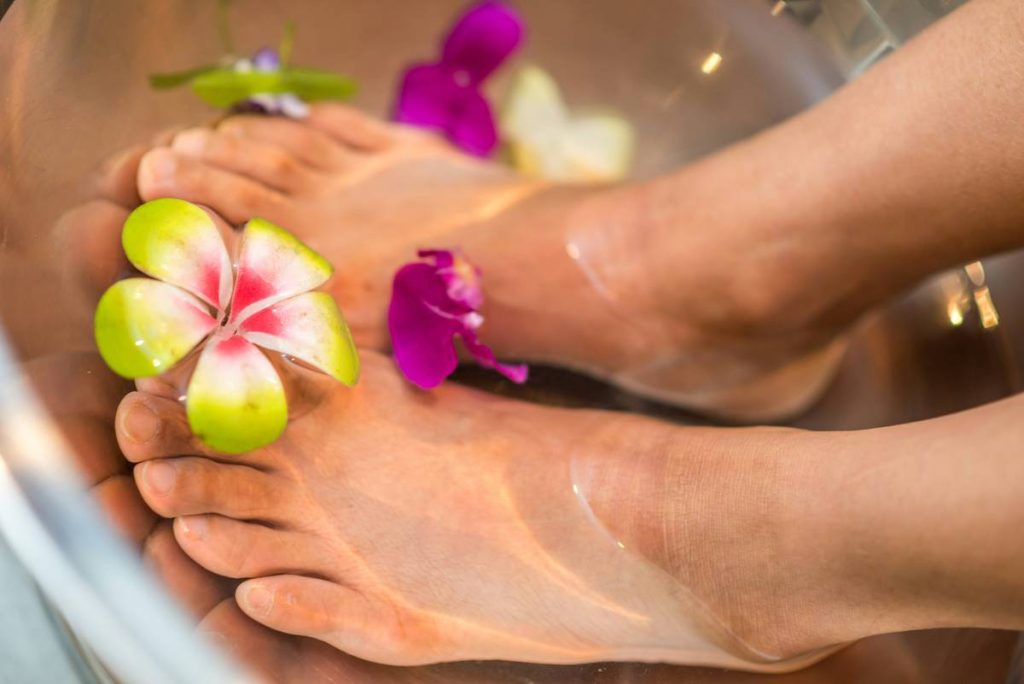
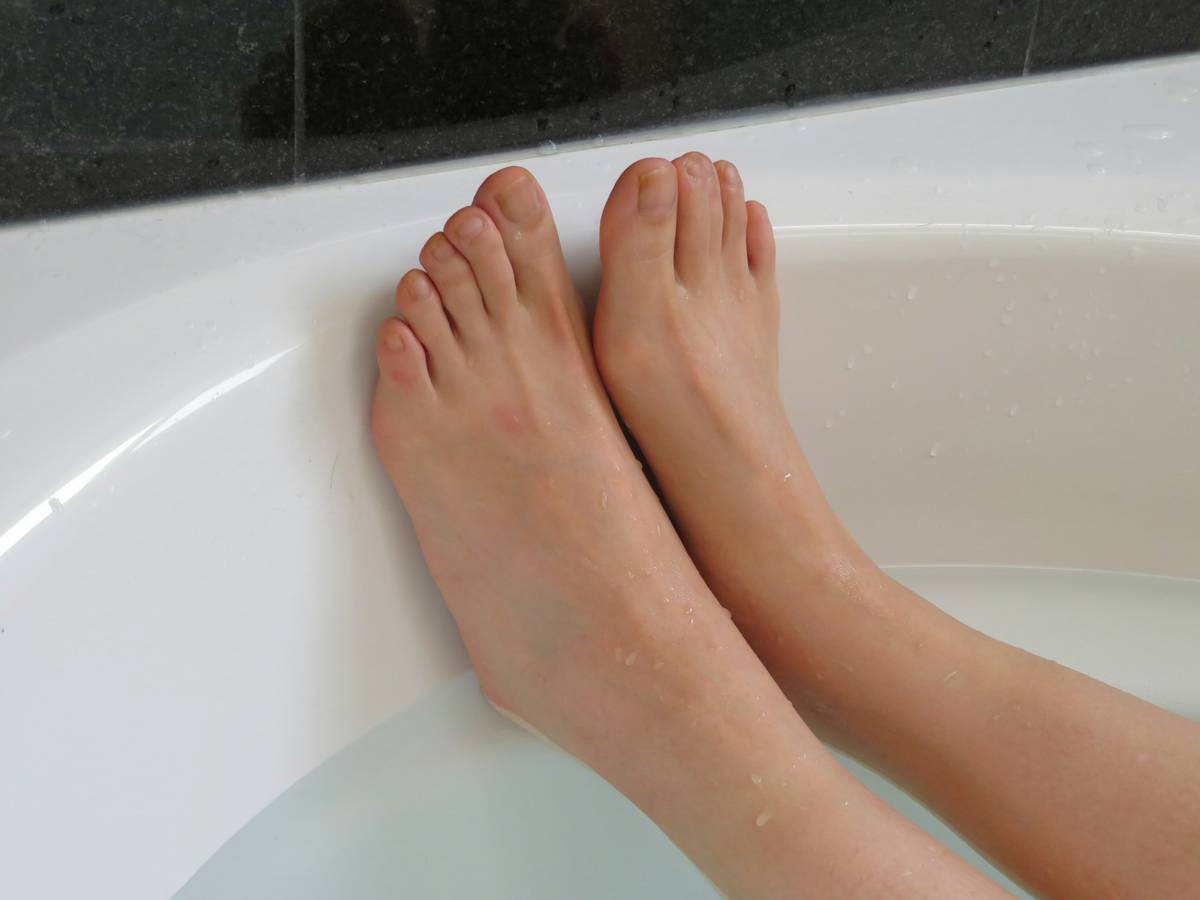
Soak feet 10 minutes in warm (not hot) water with 2 tbsp apple cider vinegar. The acetic acid gently lowers pH, priming skin for absorption—and suppresses odor-causing microbes. Pat dry. Never rub.
Step 2: Exfoliate with Precision
Mix 3 tbsp brown sugar, 1 tbsp raw honey, and 1 tsp olive oil. Sugar crystals are irregular—less abrasive than salt—while honey delivers gluconolactone (a PHA) for enzymatic exfoliation. Massage in circular motions for 90 seconds max. Rinse lightly. Skin should feel velvety—not raw.
Step 3: Deep Infusion & Occlusion
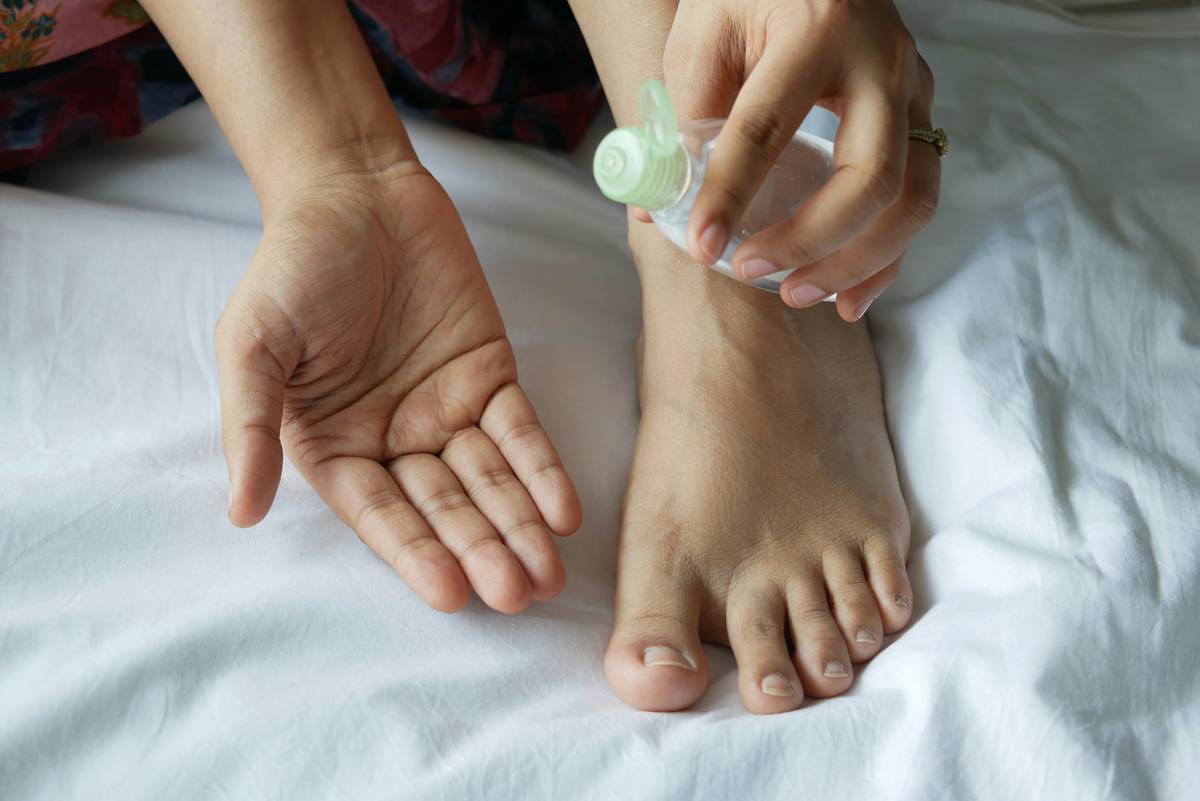
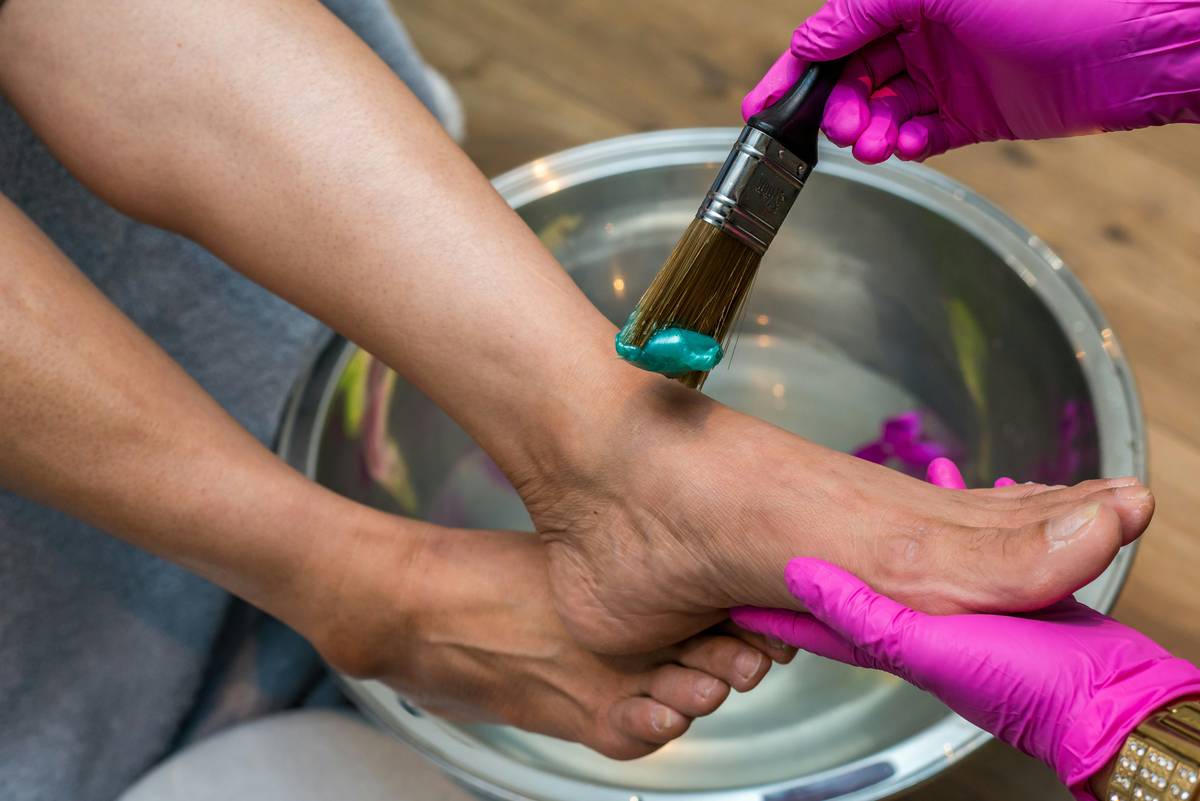
Apply a thick layer of mashed avocado + 1 tsp shea butter. Avocado’s oleic acid mimics skin lipids; shea provides cinnamic acid esters for anti-inflammatory action. Wrap feet in cling film for 20 minutes. Then wear cotton socks overnight. This isn’t pampering—it’s transdermal delivery engineering.
| Method | Cost per Use | Active Penetration | Longevity of Results |
|---|---|---|---|
| Drugstore Cream | $1.20 | Low (surface only) | 12–24 hours |
| Spa Pedicure | $45+ | Moderate (manual exfoliation) | 3–5 days |
| DIY Foot Mask for Dry Feet (This Protocol) | $0.65 | High (bioactive + occlusion) | 7–10 days |
The Industry Secret: Timing Matters More Than Ingredients
Most DIY guides ignore chronobiology—the science of biological timing. Apply your mask right after bathing when stratum corneum is hydrated but not swollen. Better yet: do it Sunday night. Why? Cortisol dips overnight, allowing faster barrier repair. And weekends mean no shoe friction to disrupt healing. Pros time treatments like this—amateurs chase ingredients.
Also: never apply exfoliants to wet skin. Water plumps corneocytes, making them prone to micro-abrasions. Pat dry first. Small shift. Big difference.
Frequently Asked Questions
Can I use this diy foot mask for dry feet if I have diabetes?
Consult your physician first. Avoid exfoliation if you have neuropathy or open sores. Focus only on Step 3—avocado and shea butter—without wrapping.
How often should I apply this mask?
Once weekly for maintenance. For severely cracked heels, twice in week one—then taper to once every 7–10 days. Over-exfoliation backfires.
Can I substitute honey with maple syrup?
No. Honey has hydrogen peroxide, low pH, and osmotic pressure that maple syrup lacks. It’s antimicrobial and humectant. Substitutions dilute efficacy.