Cracked heels, rough patches, and dead skin buildup aren’t just unsightly—they’re uncomfortable. Most scrubs and pumice stones barely scratch the surface, leaving you frustrated after weeks of effort. But what if there was a smarter way? Enter the baby feet exfoliating foot mask: a dermatologist-backed shortcut to sandal-ready soles.
Why Your Current Foot Care Routine Is Failing
You’ve tried everything—sugar scrubs, foot files, even soaking in vinegar (yes, really). Yet within days, roughness returns. The issue? Most at-home methods only remove surface-level debris. They don’t penetrate the thick stratum corneum on your heels—the very layer that traps dead cells and invites calluses.
And here’s the kicker: aggressive scrubbing can actually worsen micro-tears in dry skin, triggering more keratin production as a defense mechanism. It’s a vicious cycle disguised as self-care.
How to Use a Baby Feet Exfoliating Foot Mask Like a Pro
Forget guesswork. This isn’t just peeling socks—it’s biochemistry meeting ease. Follow these steps for flawless results without irritation.
Pre-Treatment Prep Matters More Than You Think
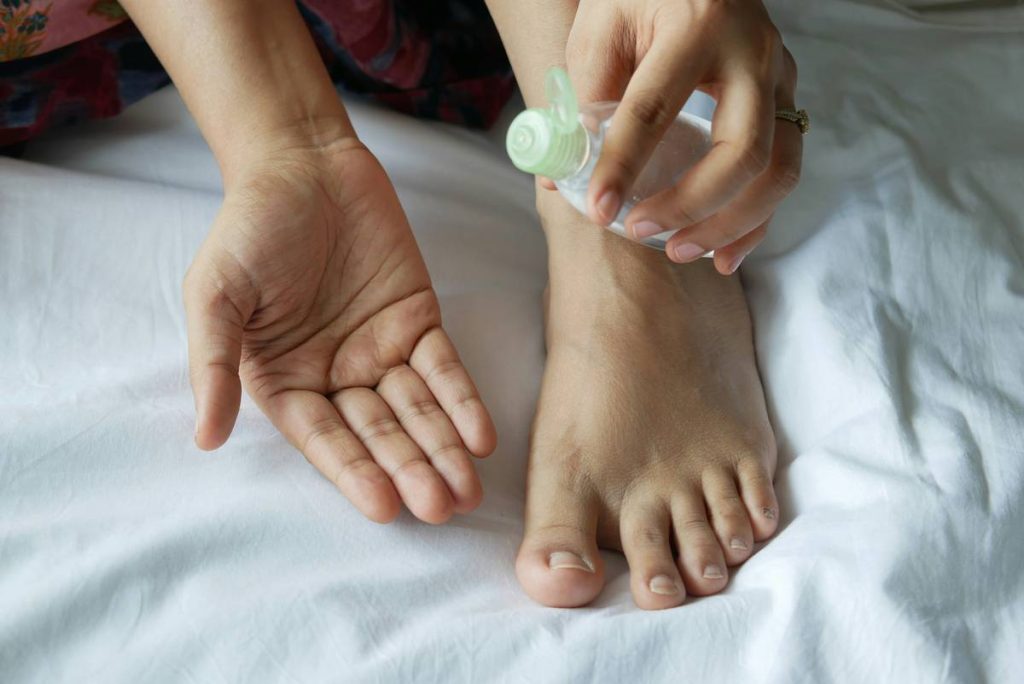
Never apply a foot mask on dirty or sweaty feet. Cleanse thoroughly with a gentle sulfate-free wash. Skip heavy moisturizers for 24 hours prior—occlusion blocks active ingredients like lactic acid and glycolic acid from penetrating deeply.
The Exact Timing That Maximizes Results
Leave the mask on for the full 60 minutes—but not longer. Overexposure doesn’t mean better exfoliation; it increases inflammation risk. Set a timer. Walk around lightly if needed, but avoid excessive pressure that could cause uneven peeling later.
What Happens After Removal (And What Not to Do)
Rinse with lukewarm water. Pat dry—never rub. Then, resist the urge to peel! Let the skin shed naturally over 5–7 days. Picking = scarring. Instead, wear cotton socks nightly and hydrate with a urea-based cream (10% concentration ideal).
| Method | Time to Visible Results | Risk of Irritation | Longevity of Smoothness |
|---|---|---|---|
| Baby feet exfoliating foot mask | 5–7 days | Low (if used correctly) | 3–4 weeks |
| Pumice stone + scrub | Immediate (but superficial) | Moderate to high | 3–5 days |
| Professional pedicure (callus removal) | Same day | Moderate | 1–2 weeks |
| Daily urea cream alone | 10–14 days | Very low | Ongoing with consistency |
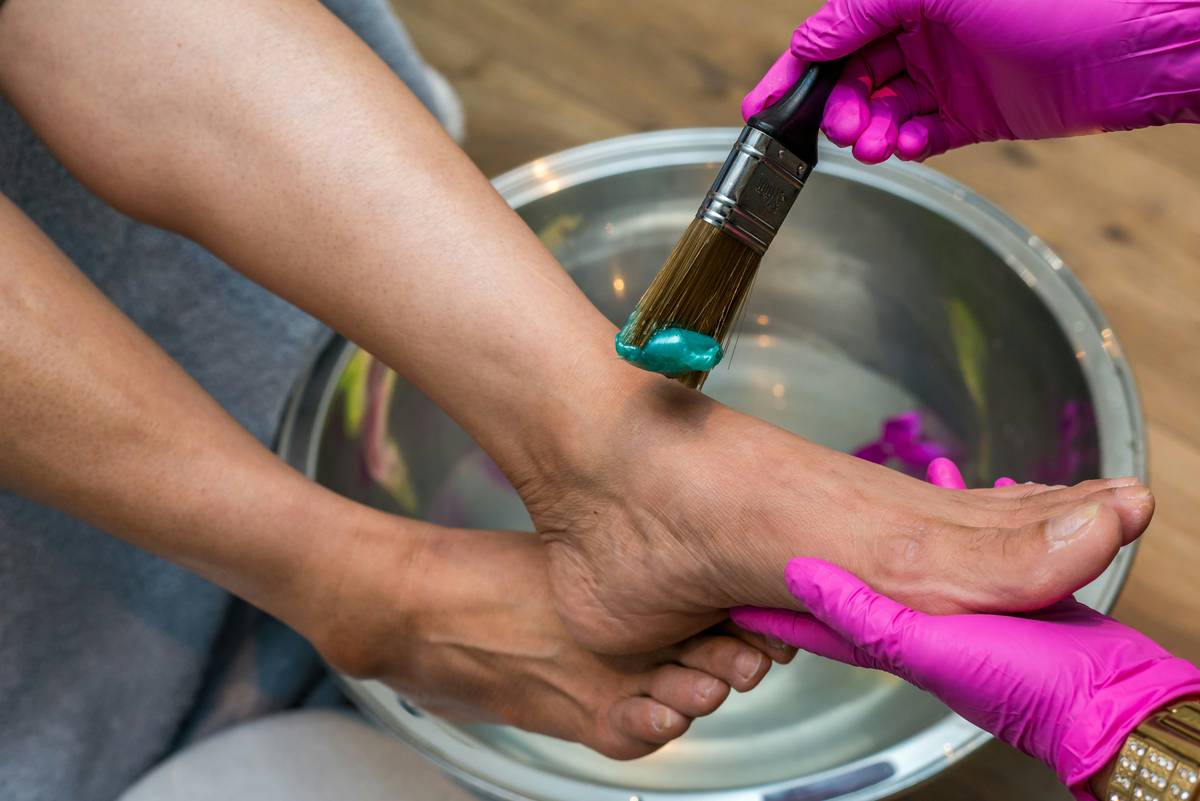
The Spa Industry Doesn’t Want You to Know This
Here’s the reality: many premium spas push 90-minute “detox” foot rituals priced at $85+ that deliver less exfoliation than a $22 at-home foot mask. Why? Because the real magic lies in alpha hydroxy acids (AHAs)—specifically lactic and glycolic—which dissolve desmosomes (the “glue” between dead skin cells). You don’t need steam towels or rose quartz rollers for that.
But—and this is critical—not all foot masks are equal. Some cut corners with low acid concentrations (<5%) or load up on film-formers that create a false sense of smoothness. Look for products listing AHAs in the top five ingredients. And always patch-test behind your knee first; the skin there mimics foot sensitivity.
Frequently Asked Questions
How often should I use a baby feet exfoliating foot mask?
Once every 4–6 weeks is ideal. Overuse can compromise your skin barrier, leading to redness or stinging—especially if you have eczema or diabetes.
Can I use it if I have cracked heels?
Mild cracks? Yes—with caution. Avoid if fissures are deep, bleeding, or infected. Treat those first with an antimicrobial ointment before exfoliating.
Will it work on athlete’s foot?
No. Foot masks exfoliate—they don’t treat fungal infections. In fact, using one during active athlete’s foot can spread spores. Get antifungal treatment first.