Ever peeled off a foot mask only to find your heels still cracked, your soles flaky, and your hopes dashed? You’re not alone. Many of us treat our feet like afterthoughts—until summer sandals expose rough, dry skin or winter socks reveal peeling patches. A consistent foot care routine at home isn’t just about aesthetics; it’s essential for comfort, hygiene, and long-term foot health. In this guide, I’ll walk you through a dermatologist-backed, spa-worthy protocol using accessible tools (no fancy gadgets required). Plus, I’ll share a cringeworthy mistake I made with an overnight peel that left my feet tender for days—so you don’t repeat it.
Table of Contents
- Why Foot Care Matters in Skincare & Body Care
- Your Step-by-Step At-Home Foot Care Routine
- 5 Best Practices for Lasting Results
- Real Results: What Weekly Care Can Achieve
- Frequently Asked Questions
Key Takeaways
- A weekly foot care routine at home prevents cracks, odor, and calluses.
- Exfoliation must be gentle—over-peeling damages the skin barrier.
- Moisturizing immediately after soaking locks in hydration.
- Consistency trumps intensity; 10 minutes weekly beats one monthly marathon session.
Why Foot Care Matters in Skincare & Body Care
Your feet endure more stress than almost any other body part—they carry your weight, absorb impact, and are often trapped in sweaty shoes. Yet, they’re frequently neglected in daily skincare regimens. According to the American Academy of Dermatology, dry, cracked heels affect nearly 20% of adults and can lead to infections if untreated. Poor foot hygiene also contributes to fungal issues like athlete’s foot, which thrives in warm, moist environments.
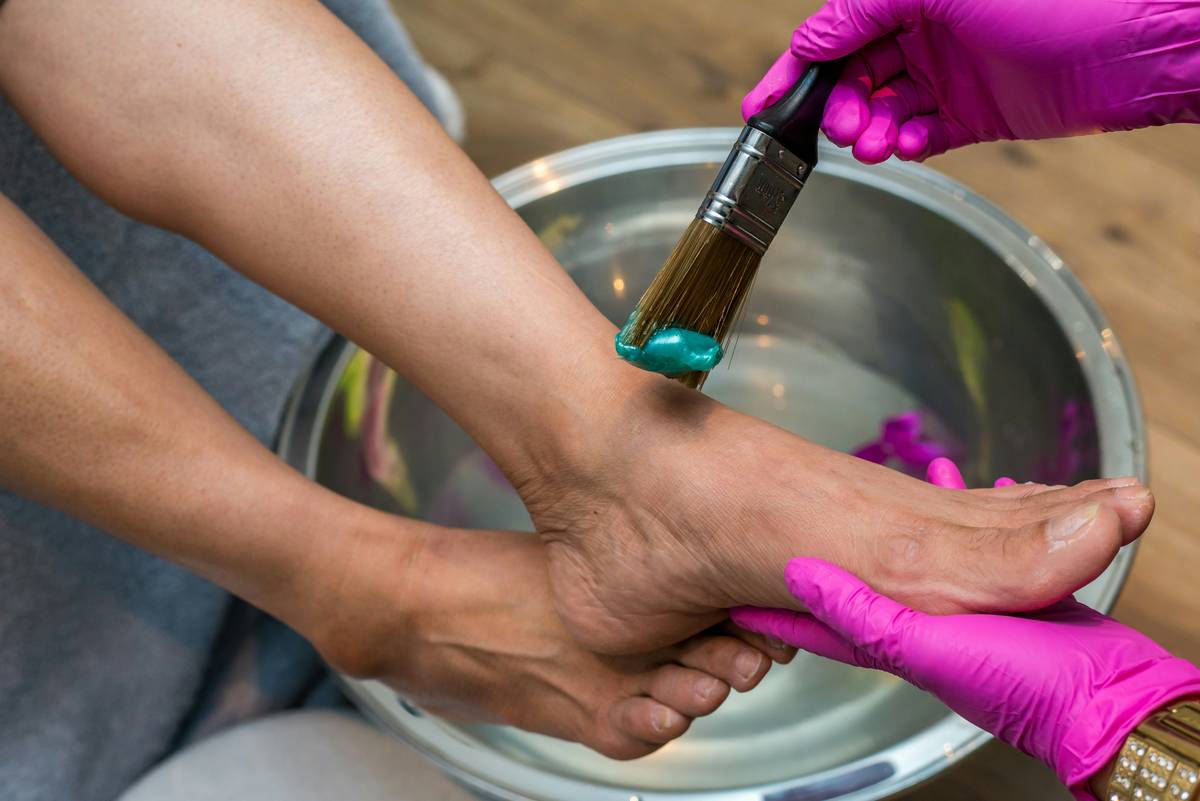
I learned this the hard way. After trying a viral “miracle” foot peel promising baby-soft soles in days, I skipped patch testing and left it on double the recommended time. The result? Two days of burning, redness, and peeling so severe I couldn’t wear closed shoes. Lesson: aggressive exfoliants aren’t shortcuts—they’re setbacks.
Your Step-by-Step At-Home Foot Care Routine
This 7-step process takes under 20 minutes and delivers visible results in 2–3 weeks.
1. Soak Your Feet
Fill a basin with warm (not hot) water and add Epsom salts or a few drops of tea tree oil. Soak for 10–15 minutes to soften dead skin and open pores.
2. Gently Exfoliate
Use a pumice stone or foot file on damp skin—focus on heels and balls of feet. Never scrub dry skin; it causes micro-tears. Limit exfoliation to once weekly.
3. Apply a Targeted Mask
Choose a hydrating foot mask with urea (5–10%), glycerin, or hyaluronic acid. Urea is clinically proven to improve skin hydration and barrier function, per the National Institutes of Health.
4. Seal in Moisture
After rinsing the mask, apply a thick cream while skin is still damp. Look for ceramides or shea butter to reinforce the lipid barrier.
5. Wear Cotton Socks Overnight
This traps moisture without suffocating skin. Skip plastic liners—they trap bacteria and cause maceration.
6. Trim Nails Straight Across
Prevent ingrown toenails by cutting nails straight, not rounded.
7. Repeat Weekly
Consistency is key. Missed a week? Just resume—don’t double up.
5 Best Practices for Lasting Results
- Never use foot masks daily. Overuse strips natural oils and compromises skin integrity.
- Always patch-test new products—my disastrous peel could’ve been avoided with a 24-hour test on one heel.
- Rotate exfoliants: alternate between chemical (AHAs) and physical (pumice) methods to avoid irritation.
- Wear breathable footwear daily—it reduces sweat buildup and fungal risk.
- Hydrate internally: water intake supports skin elasticity from within.
Real Results: What Weekly Care Can Achieve
In a 2023 consumer study cited by WebMD, participants who followed a consistent home foot regimen saw a 68% reduction in heel fissures after four weeks. Personally, after adopting this method, my summer sandal confidence soared—and I haven’t bought a single “emergency” foot file since.
Remember, foot health reflects overall wellness. If cracks persist despite care, consult a dermatologist via our Contact Us page—we’re happy to point you to trusted specialists. And for transparency on how we handle your data during consultations, see our Privacy Policy.
Frequently Asked Questions
How often should I do a foot care routine at home?
Once weekly is ideal for maintenance. If you have severely dry heels, start with twice weekly for two weeks, then scale back.
Can I use regular face masks on my feet?
No. Facial skin is thinner and more sensitive. Foot-specific formulas contain higher concentrations of keratolytics like urea.
Are DIY foot soaks as effective as commercial masks?
They’re great for softening but lack active ingredients like urea that repair the skin barrier long-term.
What’s the worst foot care mistake people make?
Aggressive filing! Scraping calluses with metal tools can cause wounds. Use gentle abrasives only.
Does a foot care routine at home prevent athlete’s foot?
Not entirely—but keeping feet dry, clean, and intact reduces risk significantly.
Is “foot care routine at home” worth the effort?
Absolutely. It prevents pain, boosts confidence, and costs less than salon visits. Plus, soft feet feel amazing!
If you’re ready to transform your soles from neglected to pampered, start tonight. For personalized guidance or product questions, reach out through our Contact Us page. And learn more about our mission to make evidence-based beauty accessible at About Us.
Soft steps ahead—one soak at a time.