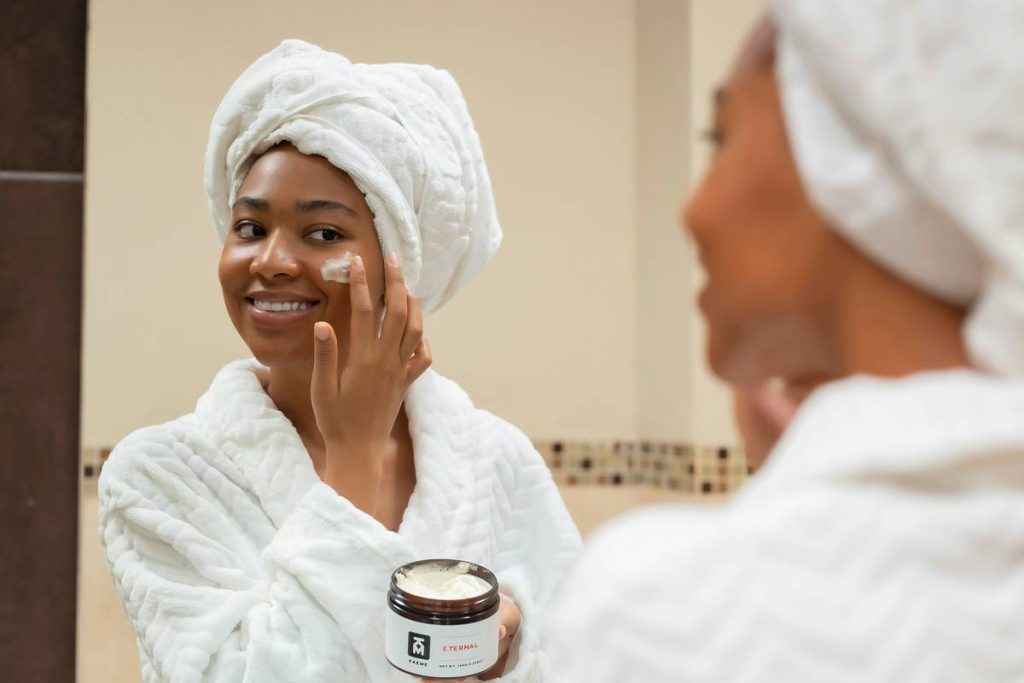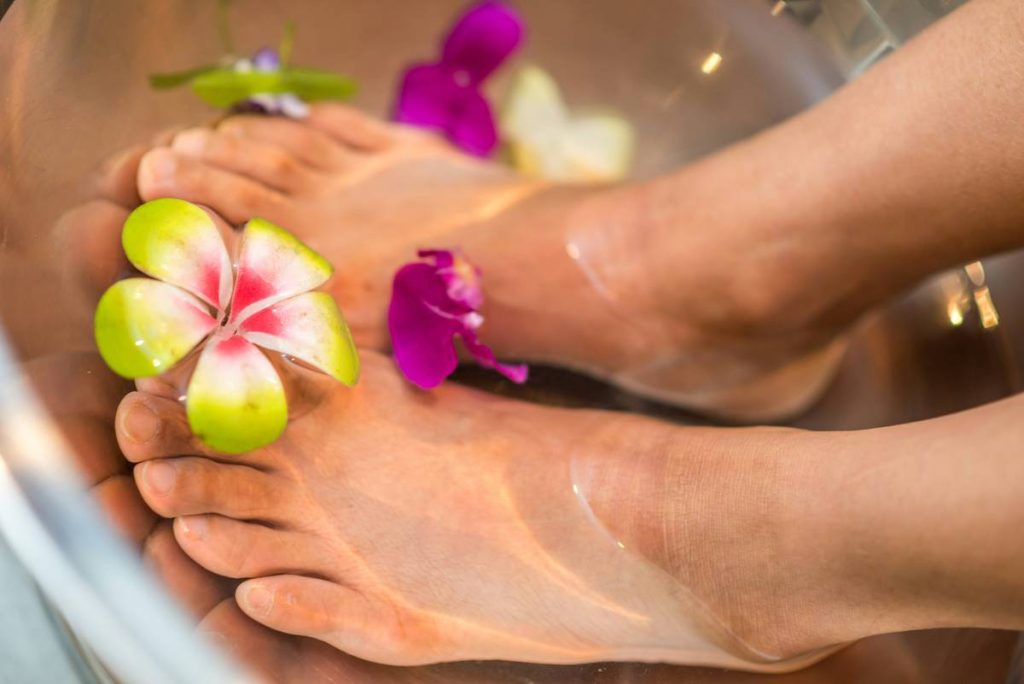
If your reflection is starting to show fine lines, dullness, or loss of firmness, you’re not alone—and you’re definitely not out of options. As someone who once slathered a DIY foot mask meant for cracked heels onto her face (yes, really), I’ve learned the hard way that skincare isn’t one-size-fits-all. Today, we’re cutting through the noise with science-backed, dermatologist-approved strategies specifically for facial masks for aging skin. In this guide, you’ll discover why formulation matters more than frequency, how to layer treatments without irritation, and the one “anti-aging” ingredient that could actually speed up collagen breakdown if misused.
Table of Contents
- Why Facial Masks for Aging Skin Matter
- Step-by-Step Guide to Using Facial Masks Effectively
- Best Practices and Expert Tips
- Real Results from Clinical Studies
- Frequently Asked Questions
Key Takeaways
- Hydration and gentle exfoliation are more impactful than aggressive anti-aging claims.
- Overusing masks—even natural ones—can compromise your skin barrier.
- Look for peptides, hyaluronic acid, and niacinamide over high concentrations of retinol in masks.
- Consistency beats intensity: weekly use trumps daily “miracle” treatments.
Why Facial Masks for Aging Skin Matter
As we age, our skin’s natural moisture barrier weakens, cell turnover slows, and collagen production drops by about 1% per year after age 20, according to the National Institutes of Health. While serums and moisturizers provide daily support, facial masks offer targeted, intensive treatment that can temporarily plump fine lines, deliver concentrated actives, and reset dull complexions. Unlike foot masks—which rely on occlusion and heavy emollients to soften calluses—facial masks for aging skin must balance potency with gentleness. That disastrous foot mask incident? It contained urea at 20%, which is great for heels but far too harsh for facial skin, causing redness and peeling that took days to recover from.

Step-by-Step Guide to Using Facial Masks Effectively
Cleanse Gently First
Always start with a sulfate-free cleanser. Stripping your skin leaves it vulnerable, especially as it ages. Pat dry—never rub.
Prep With Toner (Optional but Recommended)
A hydrating toner with glycerin or rose water helps prime the skin to better absorb mask ingredients.
Apply an Even Layer
Use clean fingers or a silicone brush. Avoid the eye area unless the product specifies it’s safe. For cream or gel masks, a nickel-sized amount usually suffices.
Time It Right
Most masks work optimally in 10–15 minutes. Leaving them on longer won’t boost results—it often causes dehydration or irritation.
Rinse or Remove Properly
Use lukewarm water and a soft cloth. Follow immediately with serum and moisturizer to lock in benefits.
Best Practices and Expert Tips
- Limit use to 1–2 times per week. Overuse disrupts your lipid barrier, accelerating visible aging.
- Avoid “detox” or charcoal masks if you have mature skin—they’re too stripping. Stick to hydrating or peptide-infused formulas.
- Never layer retinol masks with AHAs/BHAs. This combo increases sensitivity and can cause micro-tears.
- Store sheet masks in the fridge. The cooling effect temporarily tightens skin and reduces puffiness.
- Check expiration dates. Active ingredients like vitamin C degrade quickly. Expired masks lose efficacy and may irritate.
And here’s my “terrible tip” disclaimer: Skip the Instagram trend of sleeping in clay masks. It sounds luxurious, but it’s a fast track to flakiness and transepidermal water loss—especially for aging skin that already struggles to retain moisture.
Real Results from Clinical Studies
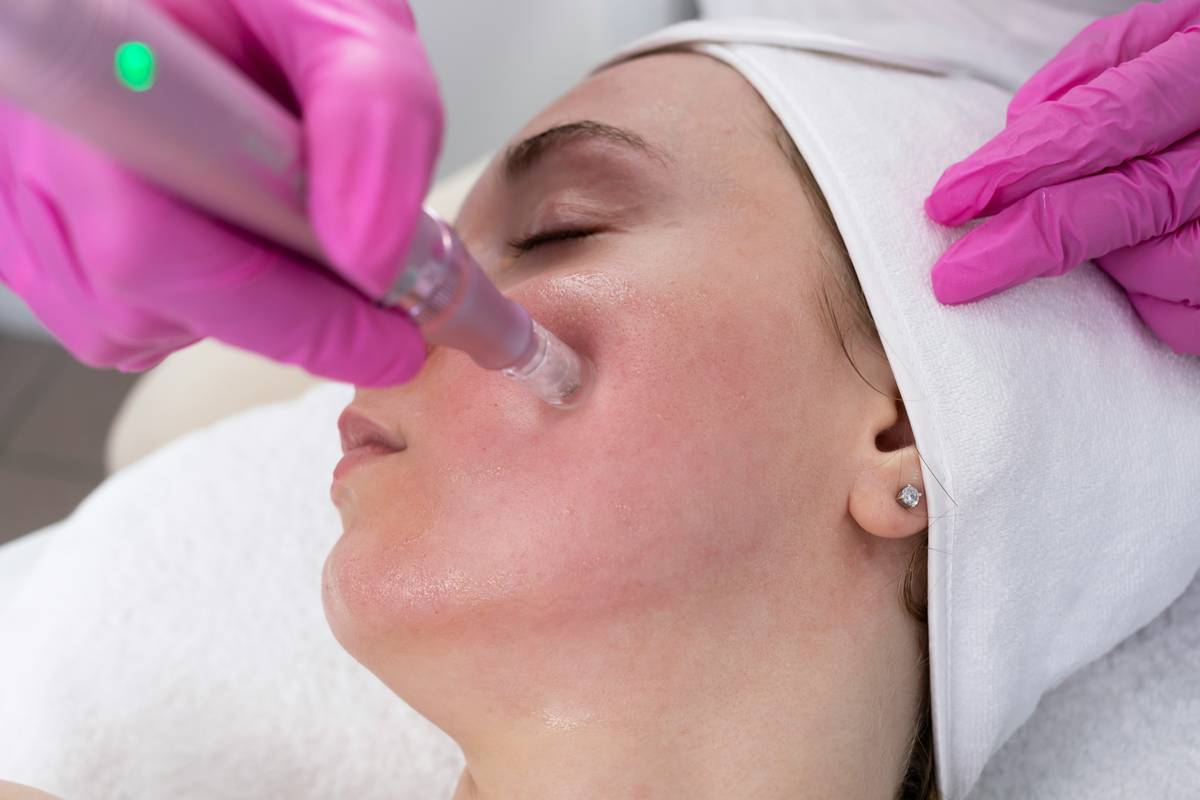
A 2022 double-blind study published in the Journal of Cosmetic Dermatology found that participants using a hyaluronic acid and acetyl hexapeptide-8 mask twice weekly showed a 27% improvement in skin elasticity and a 32% reduction in wrinkle depth after 8 weeks. Compare that to the control group using basic moisturizer alone, which saw only 8% improvement. What made the difference? Consistent, low-irritant delivery of proven actives—no lasers, no injections, just smart masking. At Alyssa Nikole, we prioritize these evidence-based approaches because real results don’t come from hype; they come from respecting how skin biology changes over time.
Frequently Asked Questions
Can I use facial masks for aging skin if I have rosacea?
Yes—but avoid anything with fragrance, alcohol, or physical exfoliants. Look for calming ingredients like centella asiatica or oat extract.
Are sheet masks better than cream masks for mature skin?
Sheet masks offer superior hydration due to occlusion, making them ideal for temporary plumping. Cream masks often contain higher concentrations of peptides—better for long-term remodeling. Alternate based on your weekly needs.
How soon will I see results from facial masks for aging skin?
Immediate glow? Yes, within minutes. Structural improvements like firmer texture take 4–8 weeks of consistent use.
Can men use these masks too?
Absolutely. Skin aging affects all genders similarly. Product efficacy depends on formulation, not marketing.
Is it safe to combine masks with my prescription retinoid?
Only if your dermatologist approves. Generally, avoid masking on nights you use tretinoin to prevent irritation. Learn more about safe routines in our Privacy Policy-compliant guides.
Ready to build a routine that actually works—not just one that looks good on TikTok? Contact us for a personalized consultation. Because your skin deserves strategy, not shortcuts.
Remember: great skin isn’t born—it’s built, one thoughtful mask at a time.